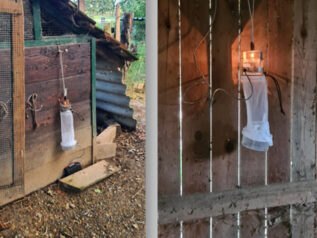
Sand flies are tiny, hairy-winged insects that belong to the Phlebotominae subfamily. They can be found in warm and tropical climates worldwide. However, the impact of climate change is dramatically altering their geographical landscape reaching into new regions of Europe.
Often active during twilight hours, female sand flies feed on blood predominantly from mammals, facilitating the transmission of viruses and parasites. These pathogens cause diseases including summer meningitis and leishmaniasis that can affect both humans and animals.
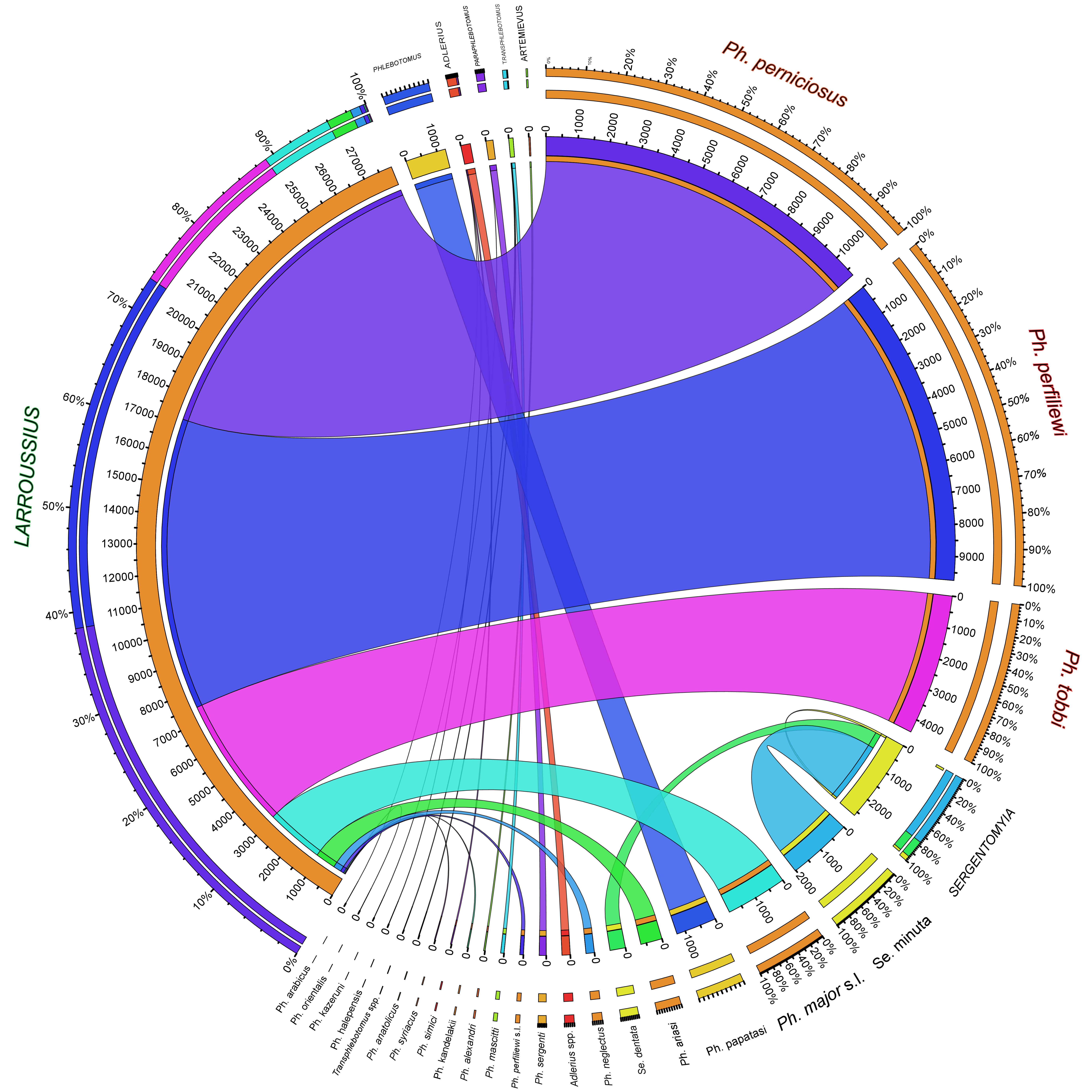
More than 35,000 sand fly specimens processed, of these, around 93% were identified to the species or subgenus level. A total of 19 sand fly taxa, belonging to seven subgenera, have been identified so far. Most of the specimens were found to be members of the Larroussius subgenus. Among them, Ph. perniciosus, Ph. perfiliewi, and Ph. tobbi comprised the majority of the catches.
Ozge ERISOZ, Hacettepe University
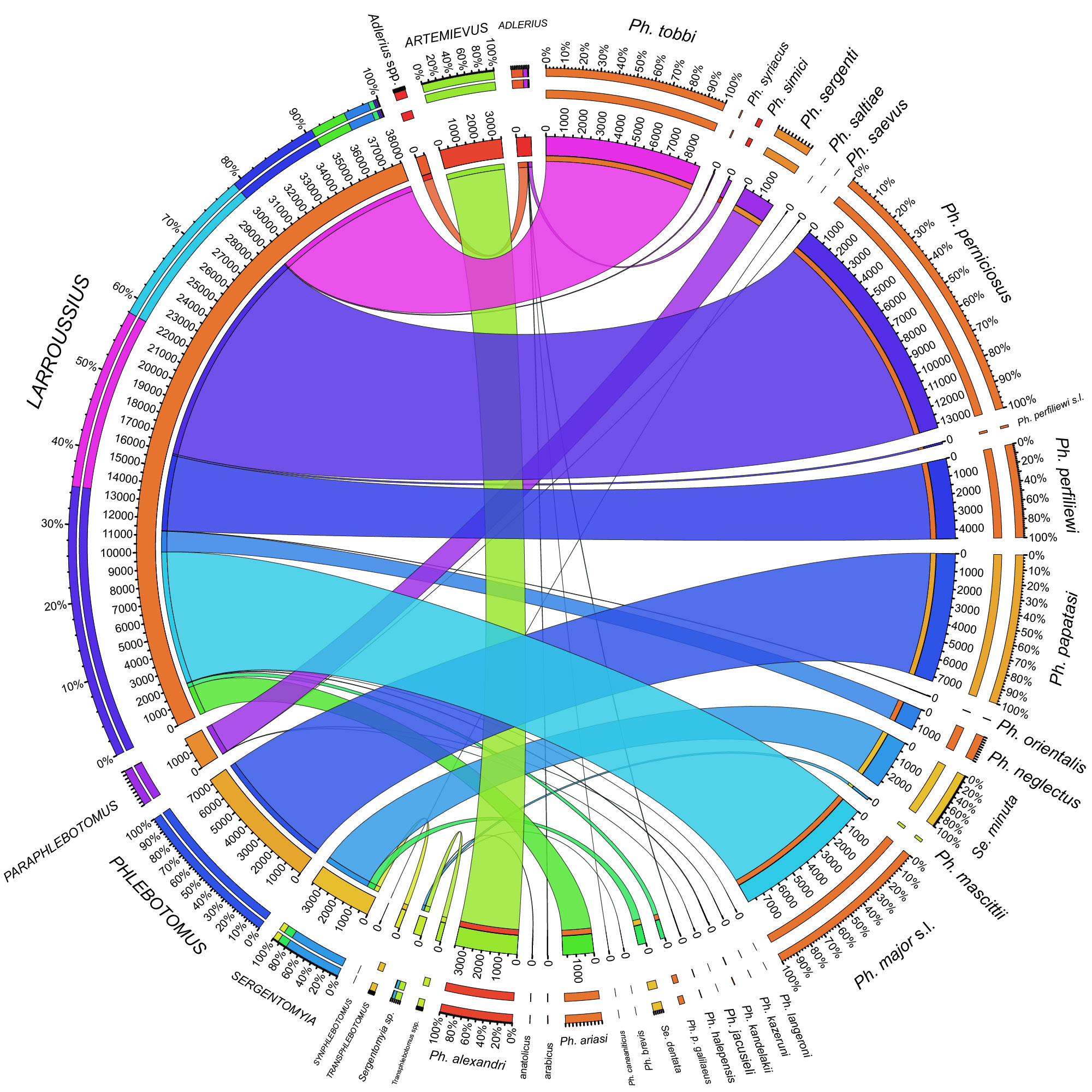
Approximately 58,000 sand fly specimens were collected during the second sampling season. Of these, 55,548 specimens were examined for taxonomic identification. In total, 27 sand fly taxa representing eight subgenera were identified. The majority of the specimens belonged to the Larroussius subgenus. Within this group, Phlebotomus perniciosus, Phlebotomus tobbi, and Phlebotomus major s.l. accounted for most of the collected specimens.