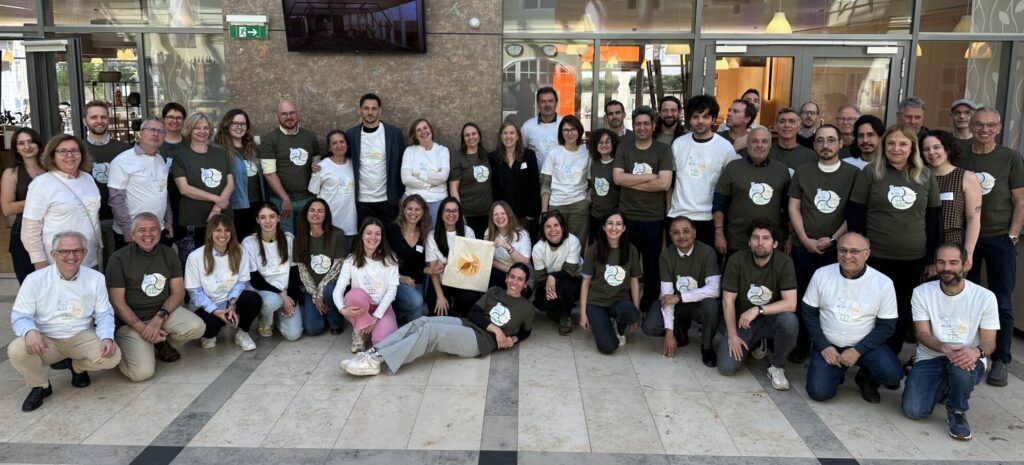
As the CLIMOS project draws to a close after four fantastic years, we would like to express our sincere gratitude to everyone who contributed to this journey. From our extraordinary consortium partners as well as every researcher, healthcare professional, veterinarian, policymaker, dog owner, and follower who supported our work, read our updates, and shared our posts: thank you!
Over the past 45 months, CLIMOS has brought together expertise from across Europe to better understand how climate and environmental changes influence sand fly populations and the risks associated with sand fly-borne diseases.
Working within a One Health framework, our project has connected climate and environmental research, vector ecology, veterinary medicine, public health, foresight and advanced modelling to strengthen scientific knowledge and support better preparedness for emerging health threats.
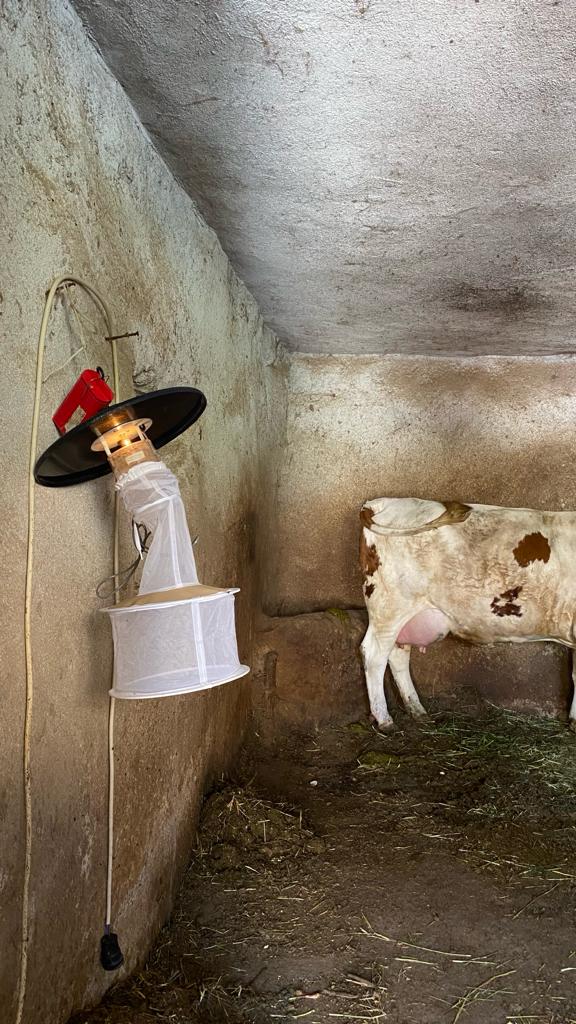
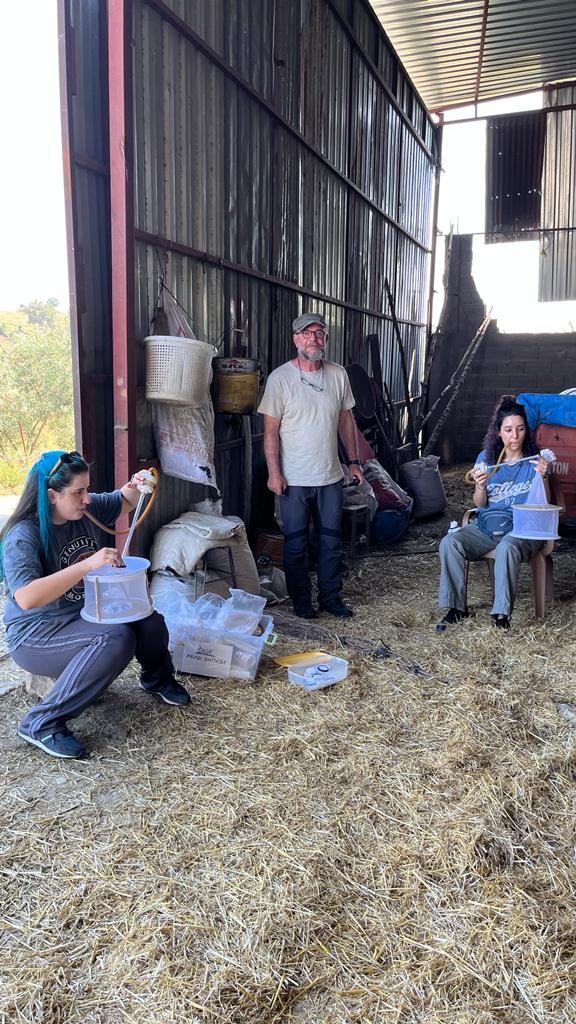
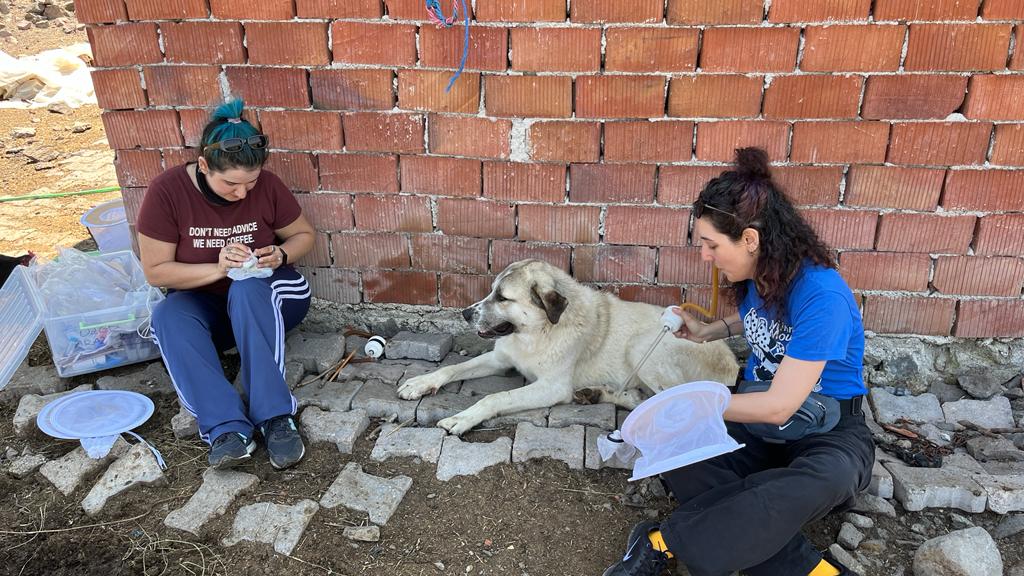
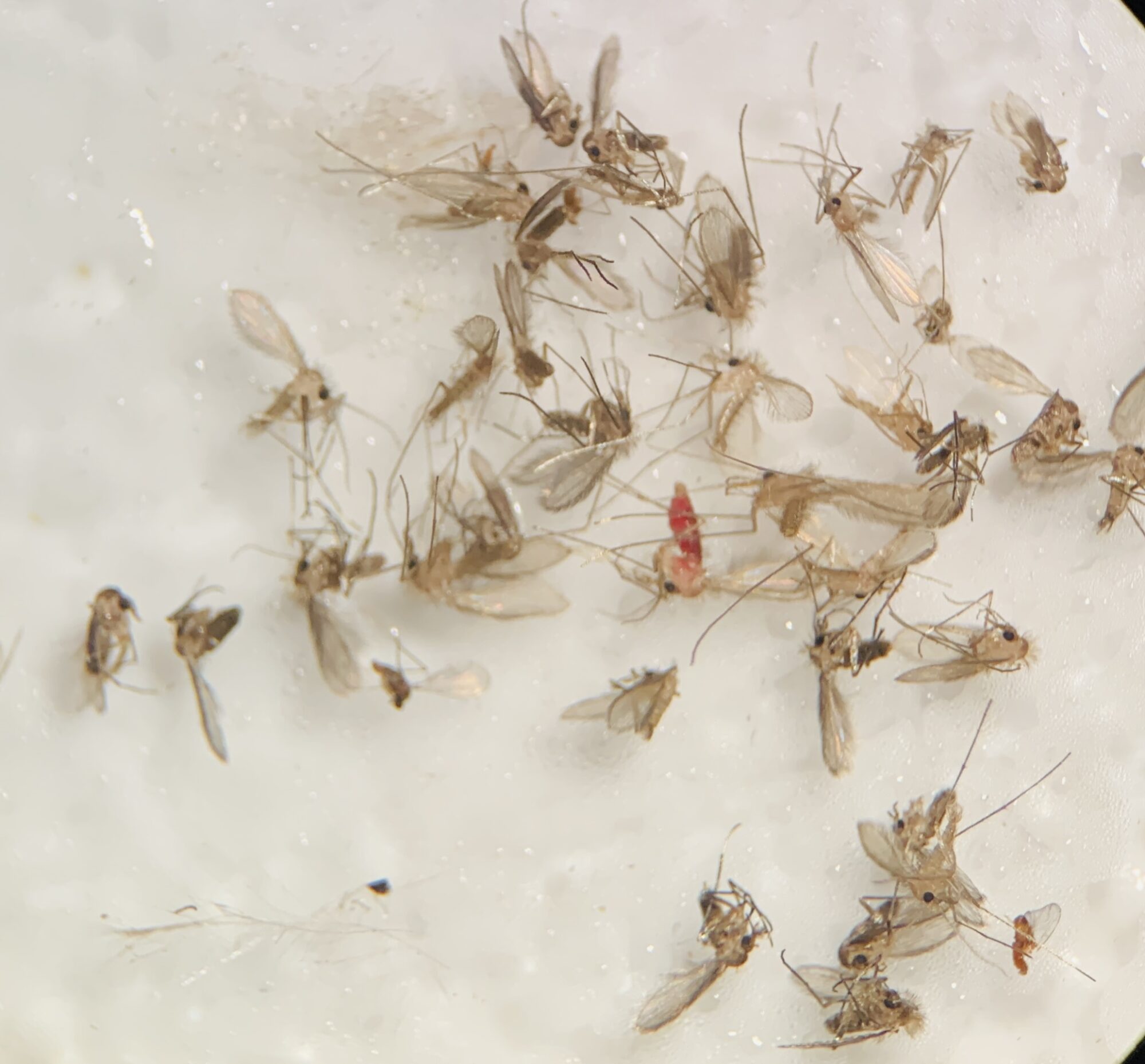
One of CLIMOS major achievements has been the establishment of an extensive, harmonised sand fly monitoring effort across Europe and associated countries. Thanks to our tireless fieldwork, we were able to compile Europe’s first standardised sand fly dataset, and Following the One Health approach, dog sera sampling was been performed in the same areas.
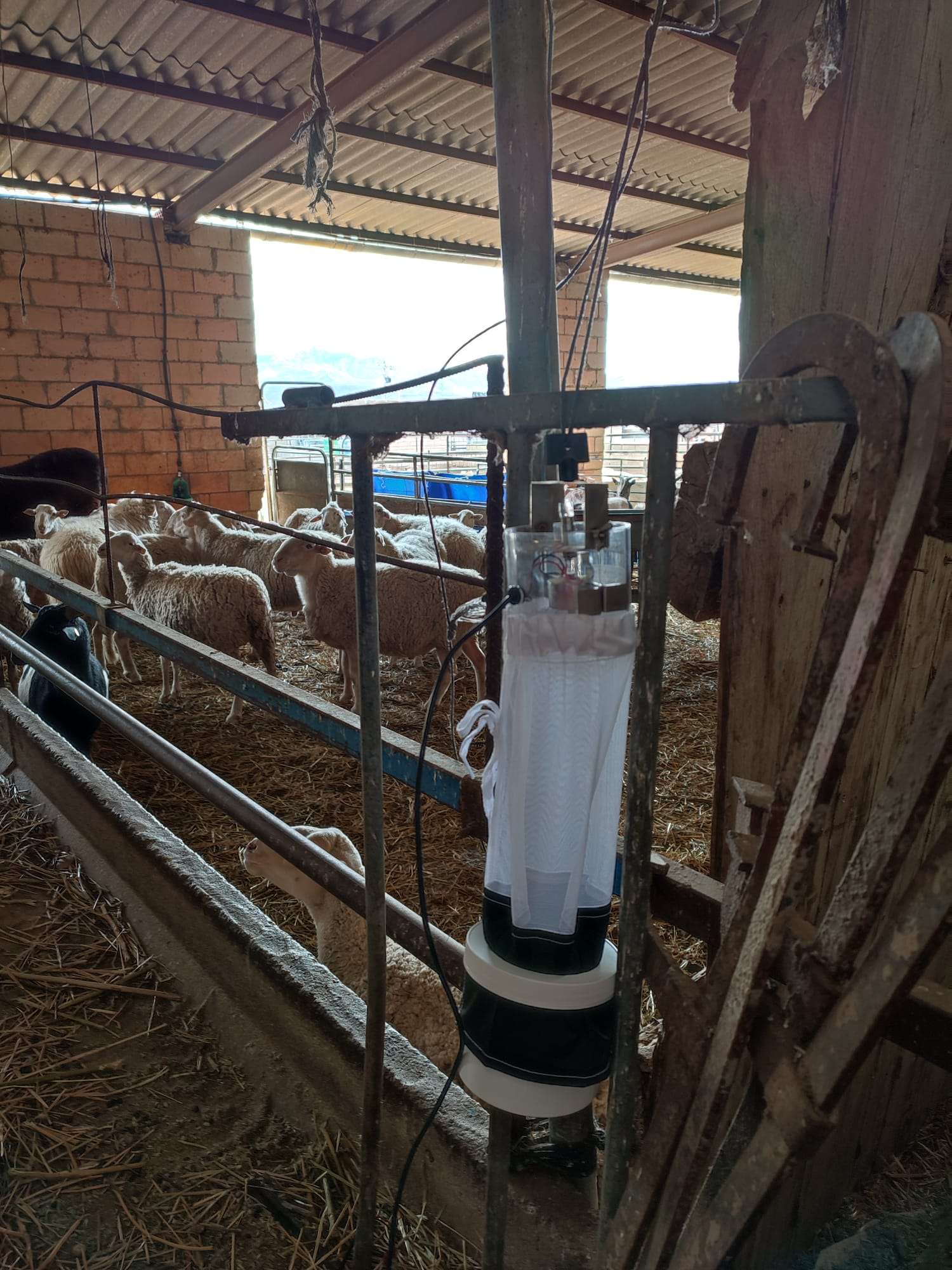
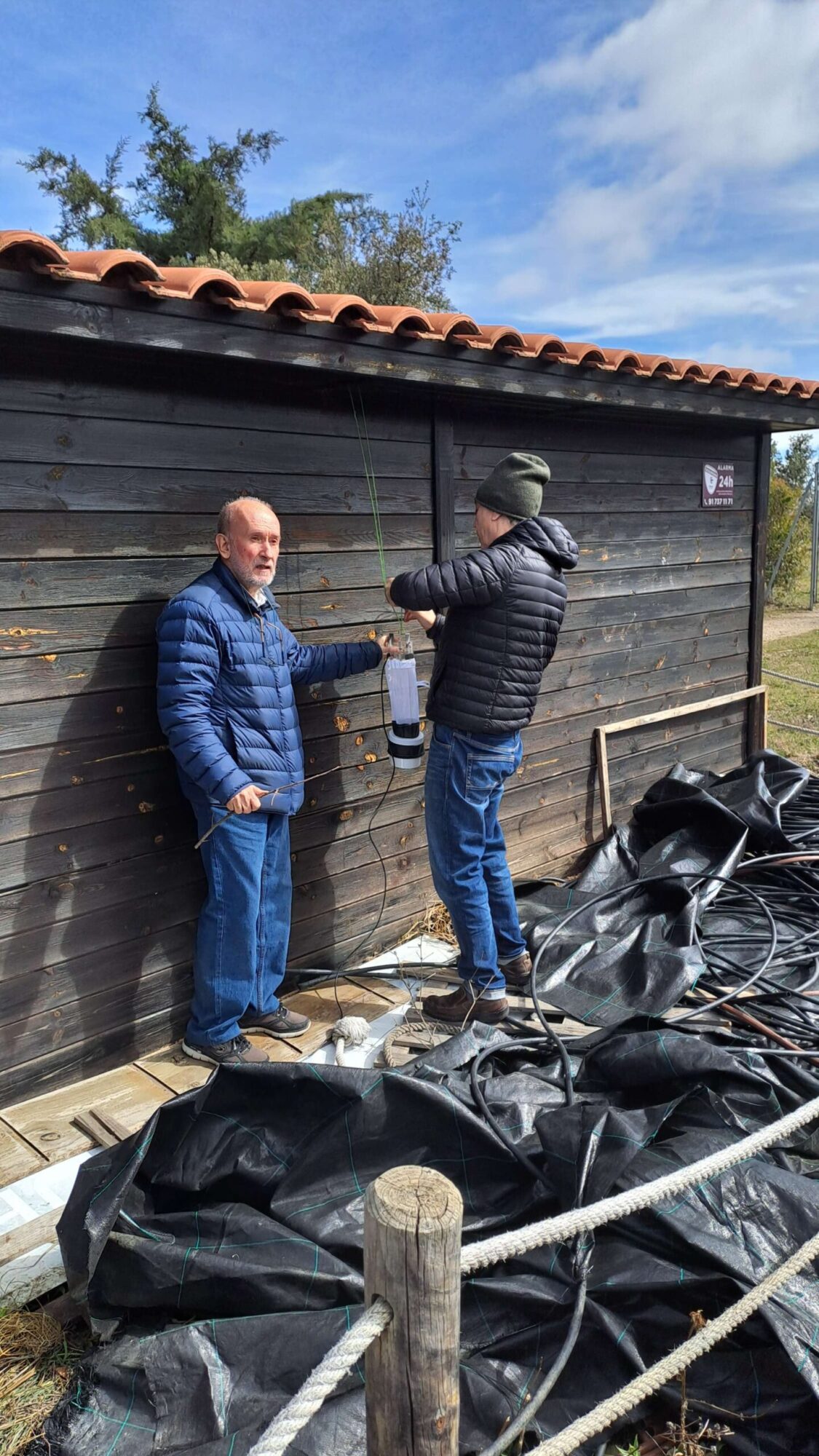
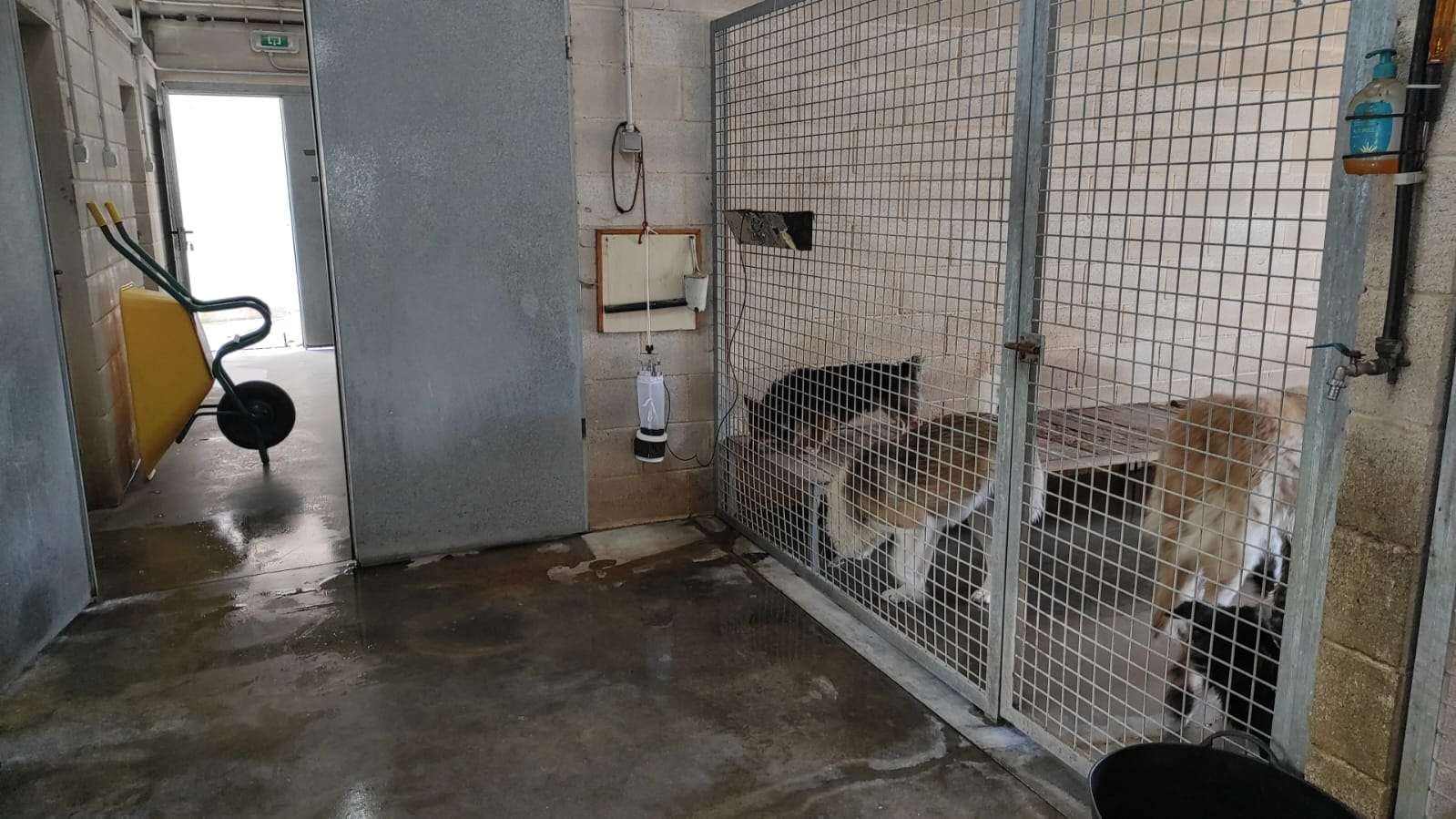
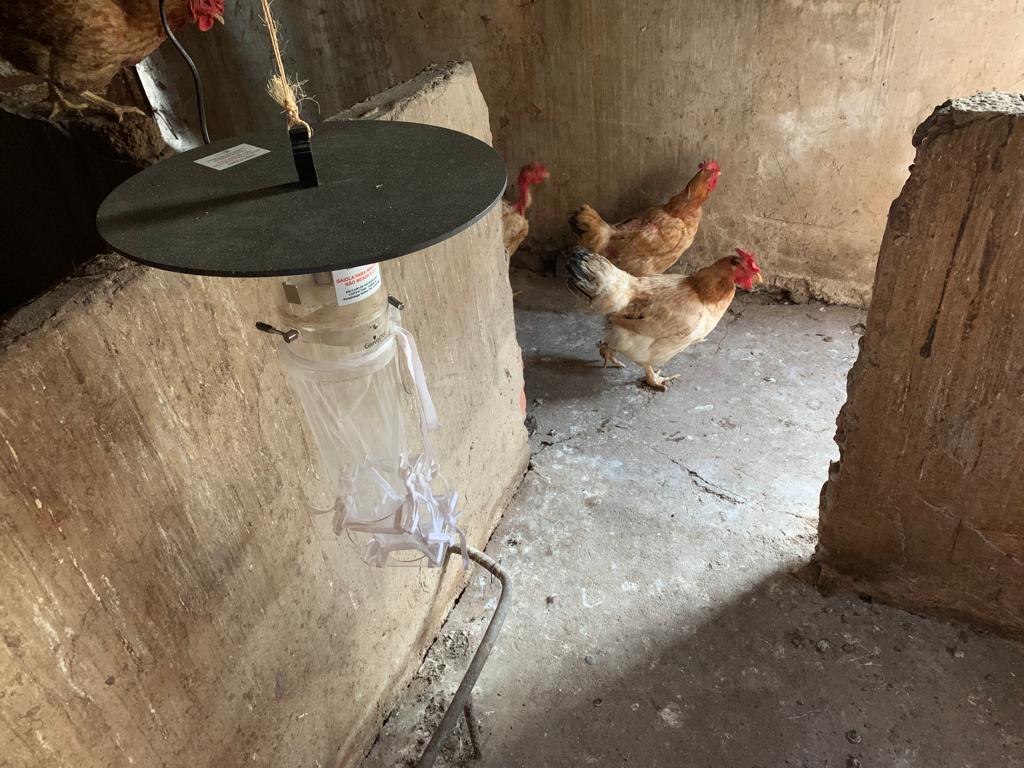
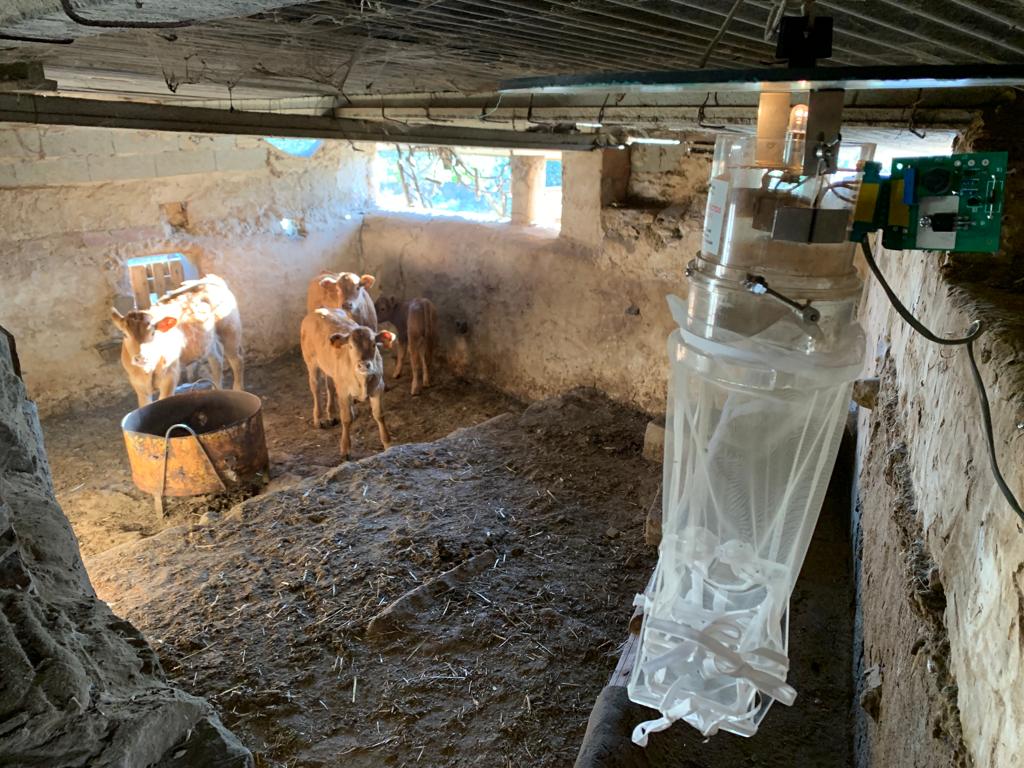
Thanks to the dedication of our research partners, we were able to conduct over 8,000 trap-nights across 96 monitoring sites in 12 countries. This generated valuable data on the distribution, abundance and environmental conditions of sand flies and dog sera testing, providing insight for current and future research. By combining standardised entomological monitoring with microclimatic observations, pheromone traps, and advanced data analysis and modelling, CLIMOS has improved understanding of the ecological and climatic factors influencing sand fly populations and the potential risks of disease transmission.
These efforts have also resulted in a substantial body of scientific publications and have strengthened the collaboration between researchers, institutions, and public health stakeholders across Europe.
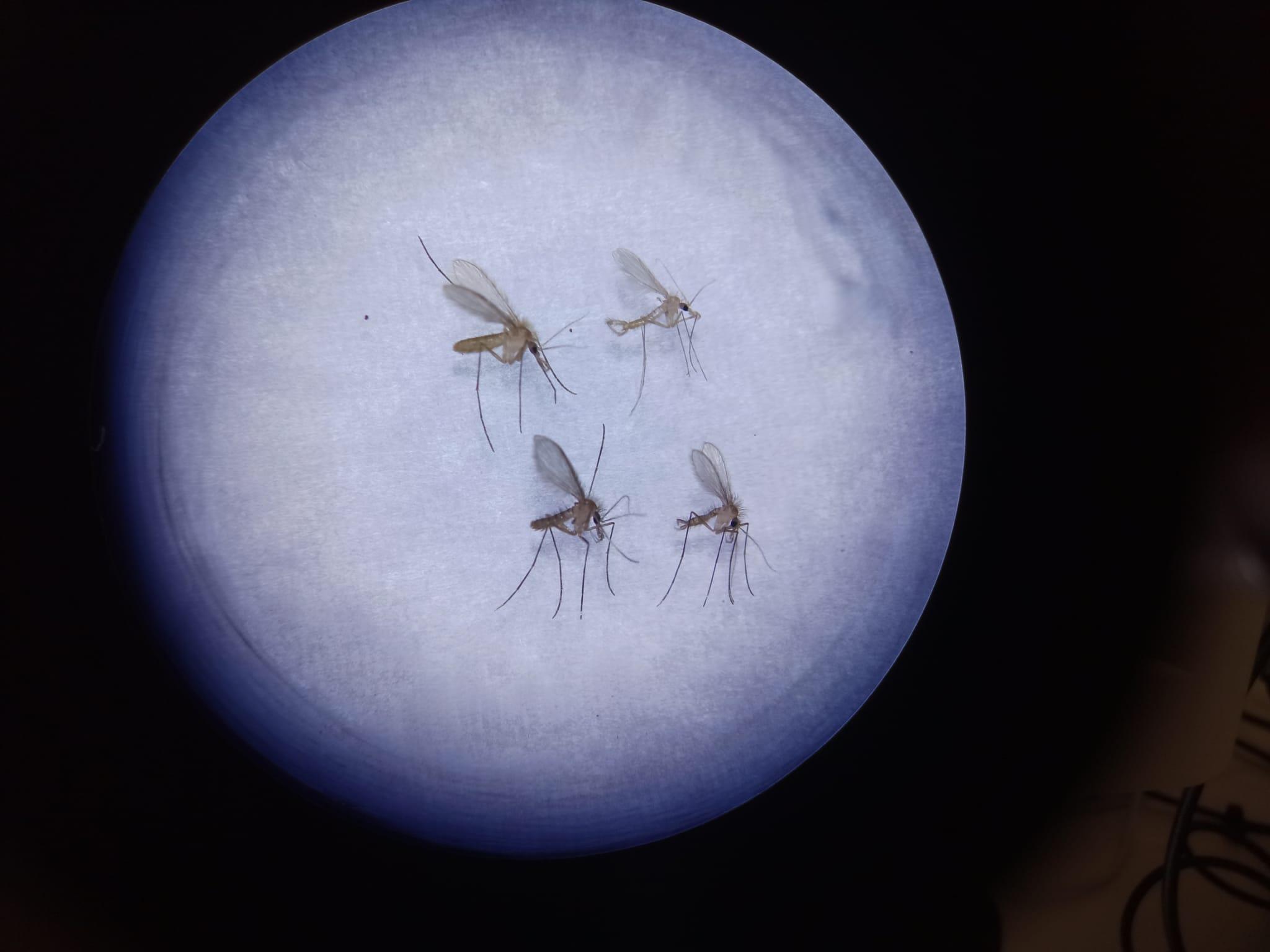
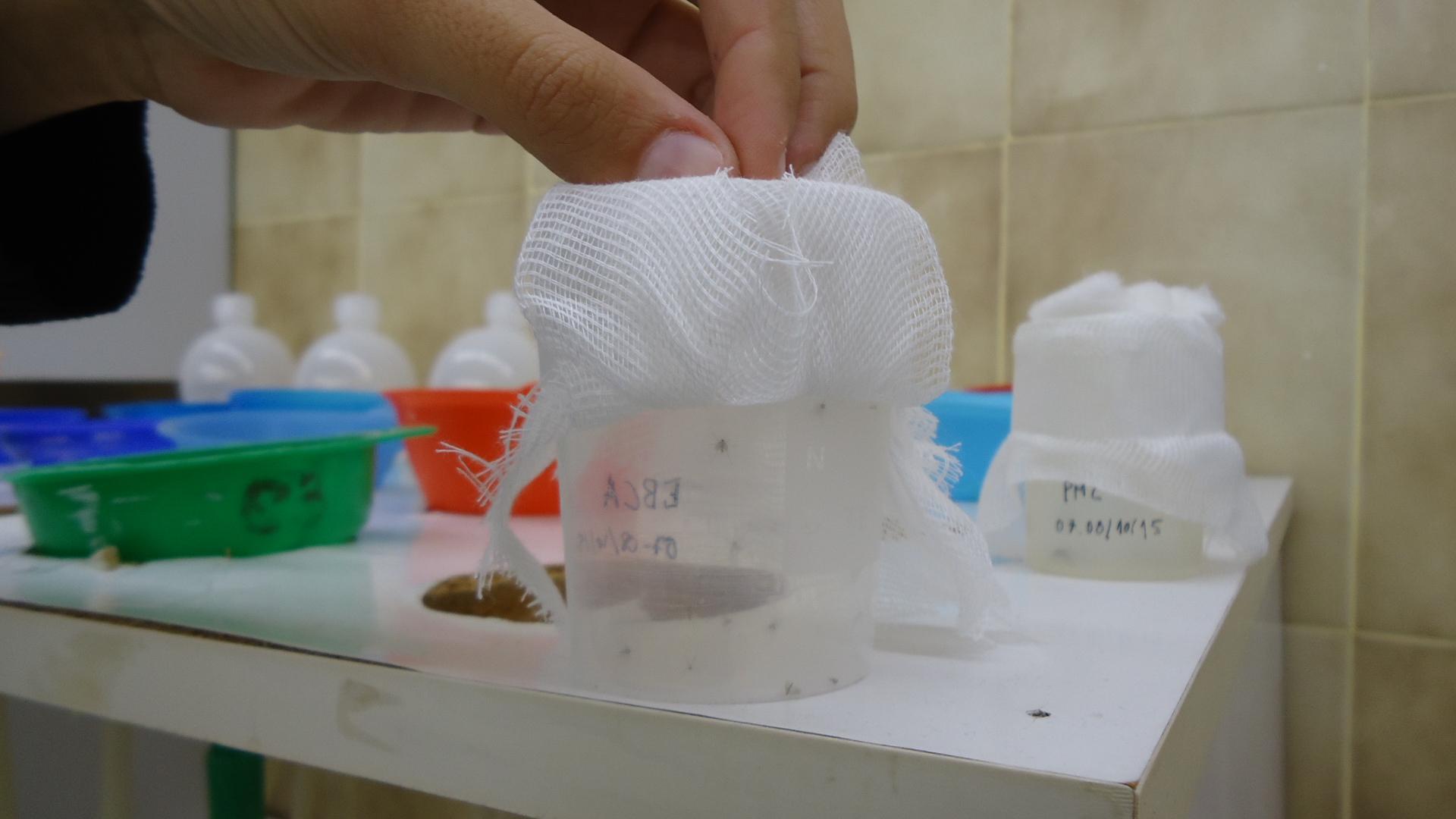
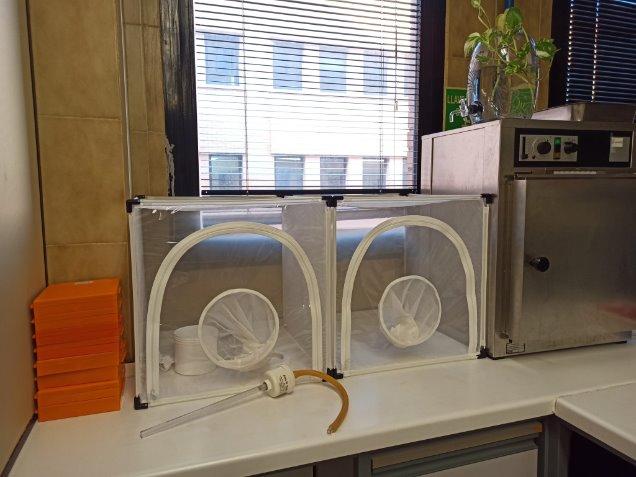
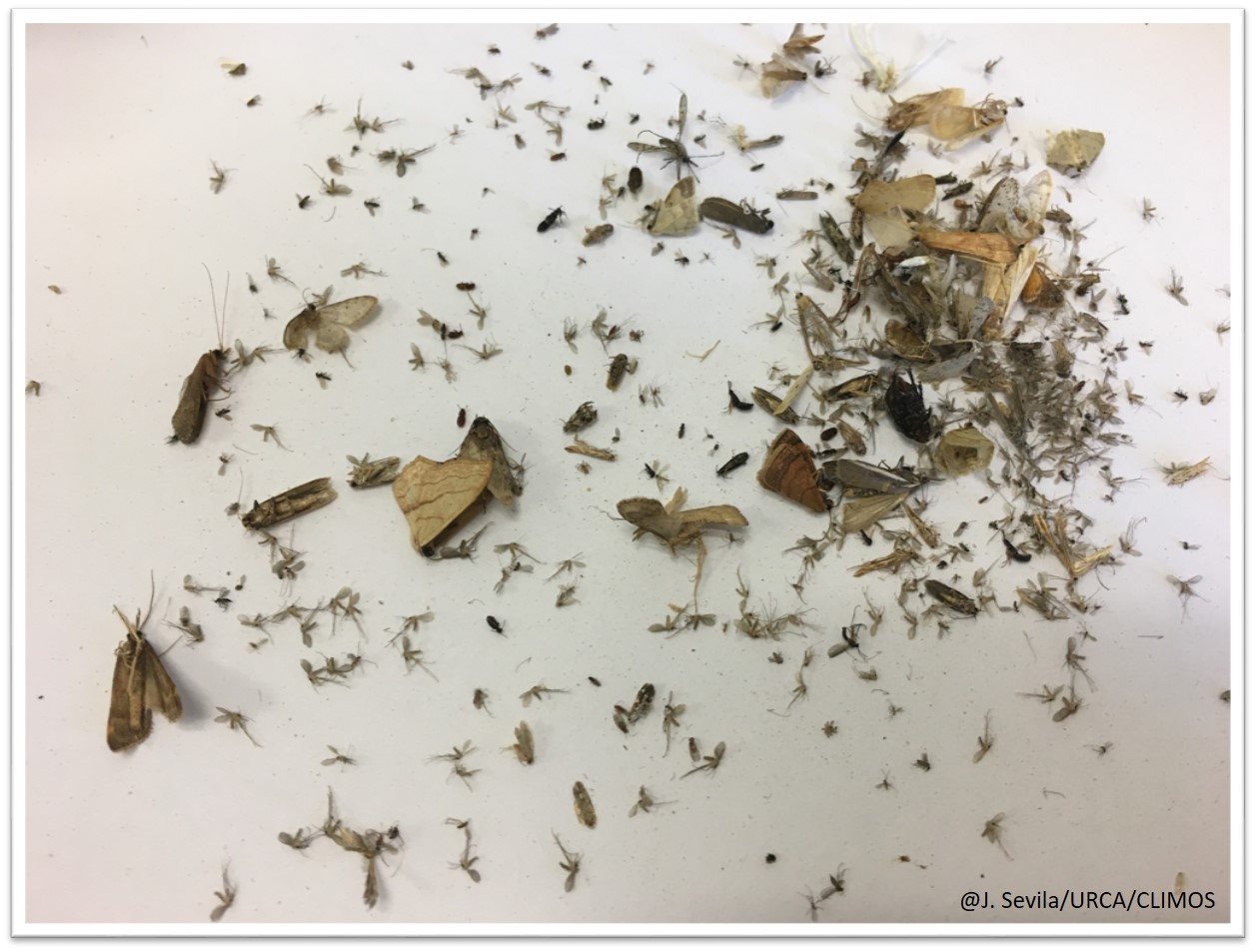
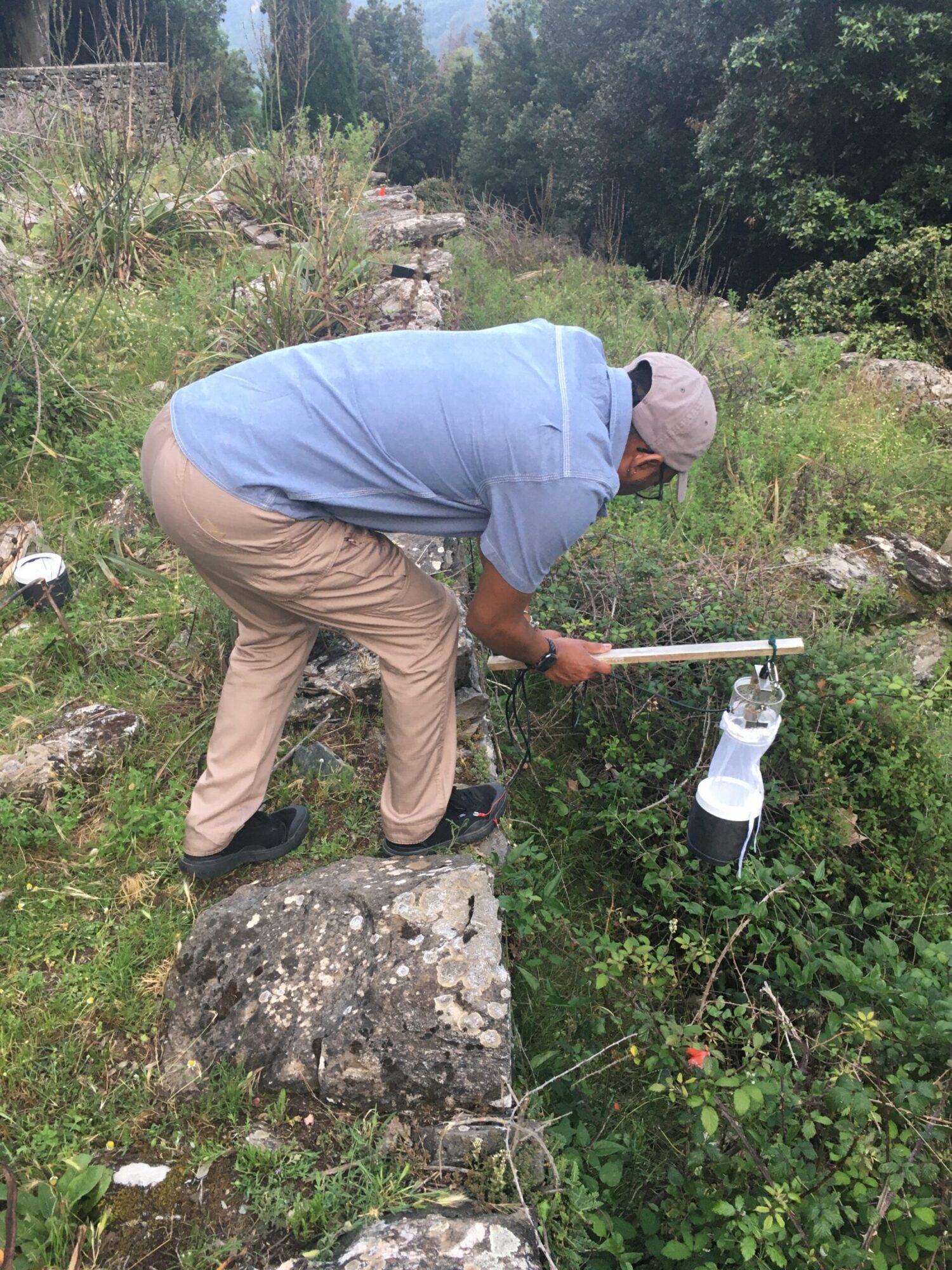
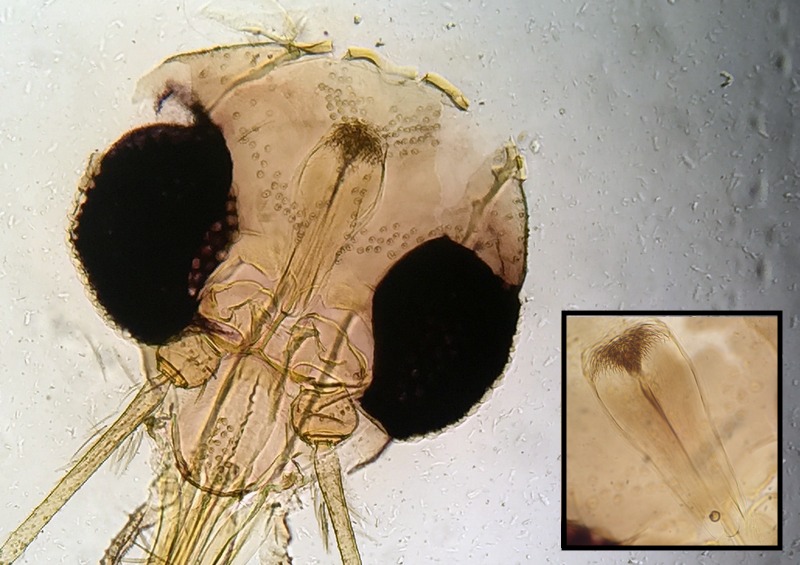
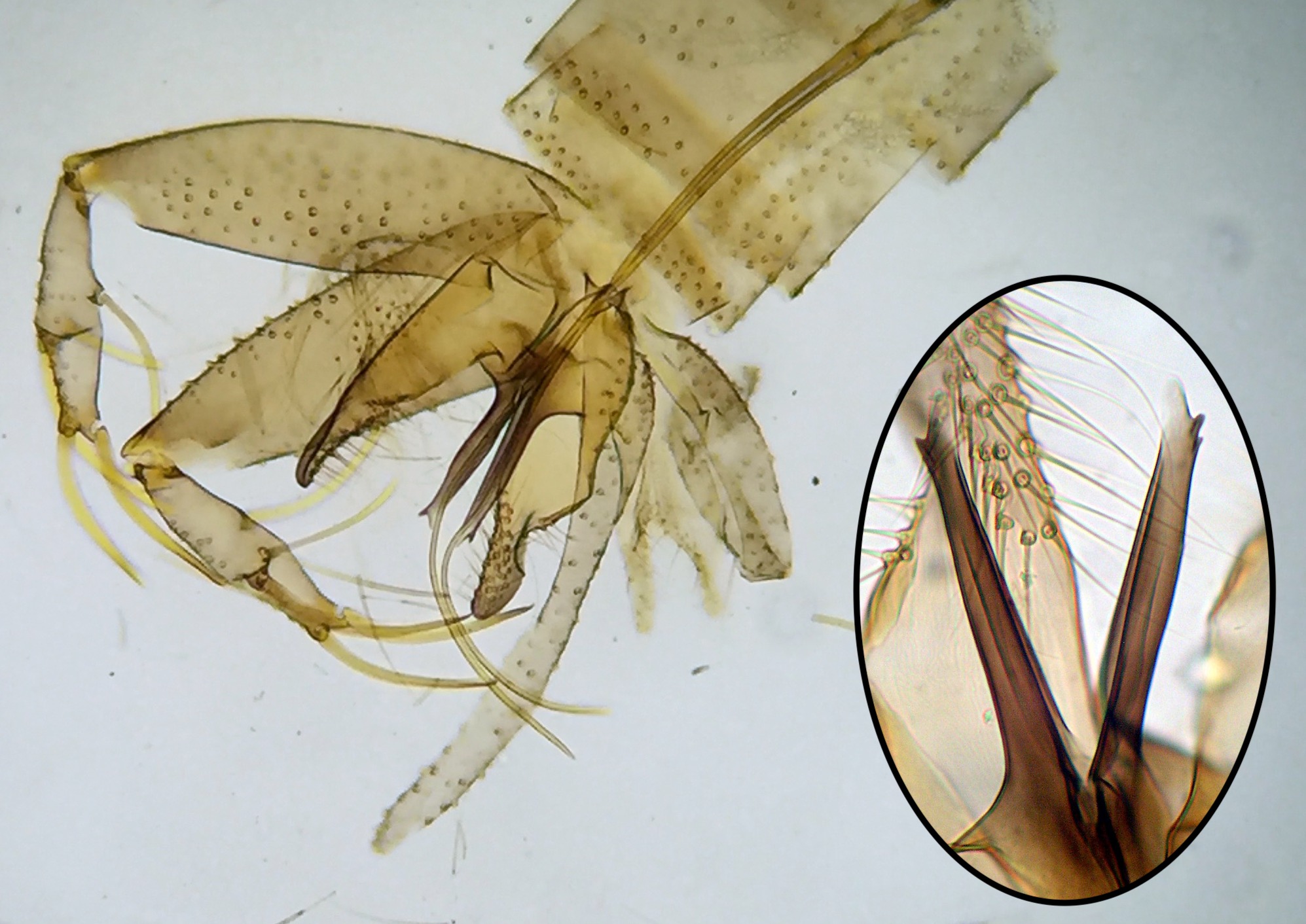
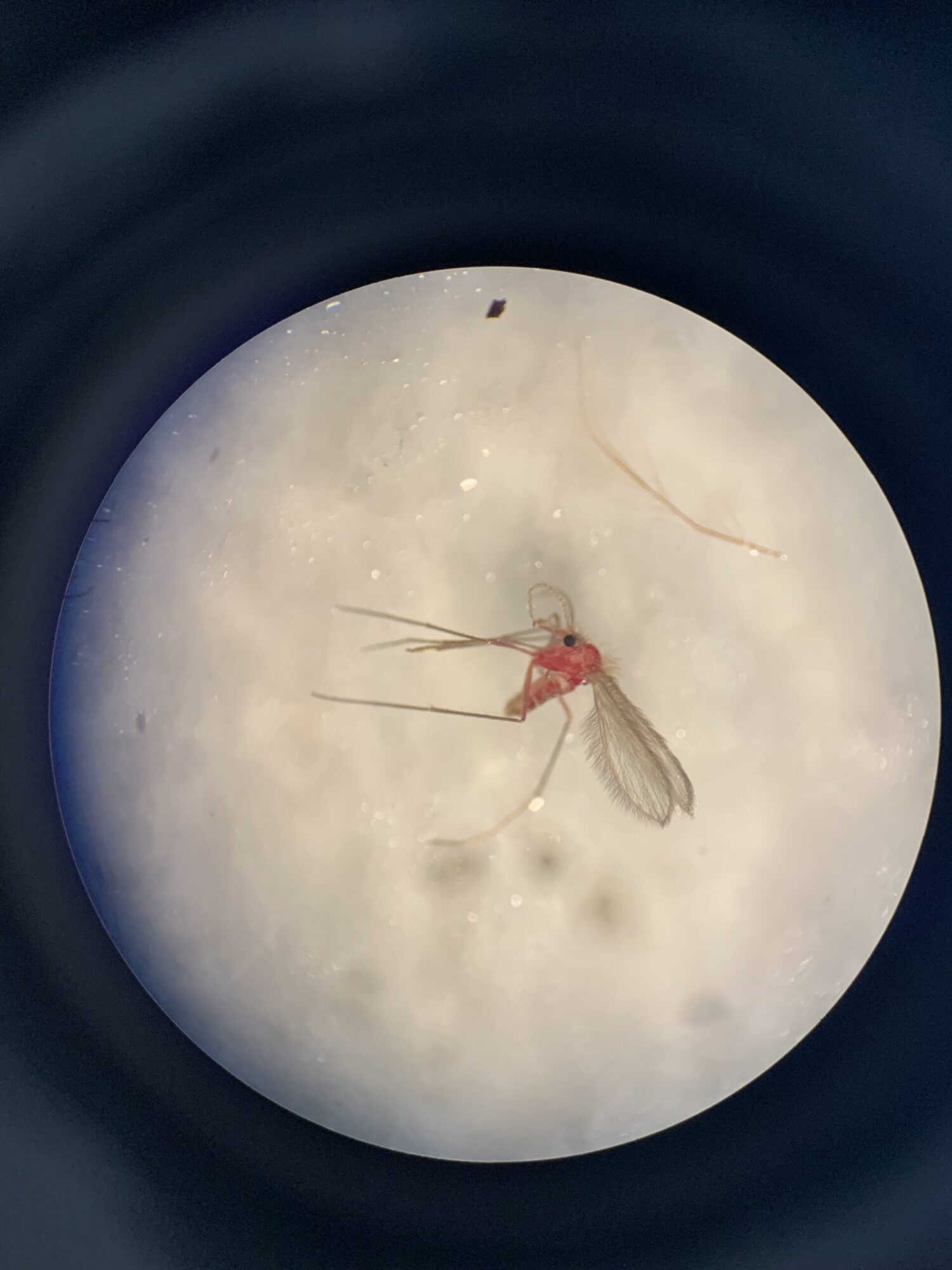
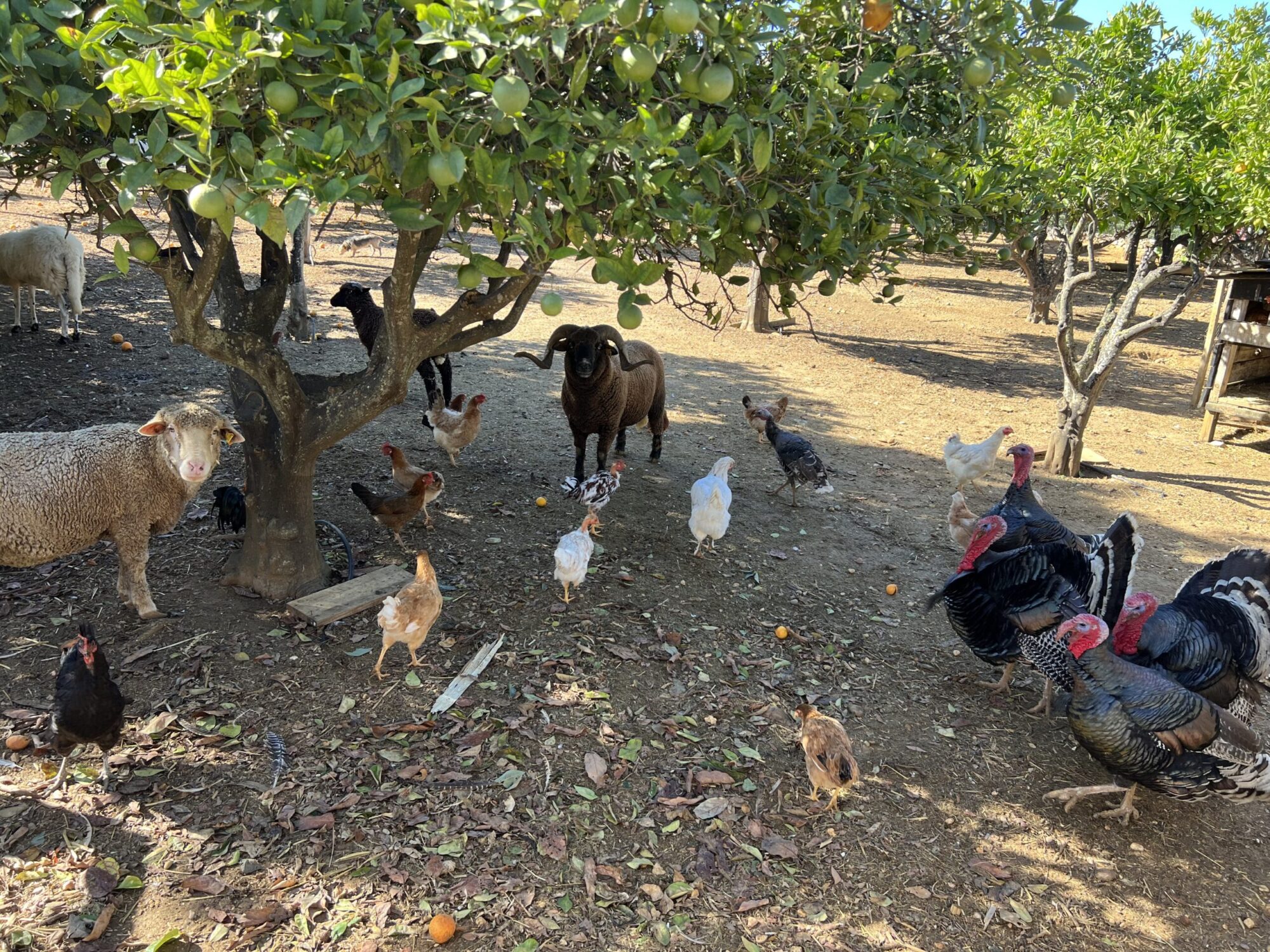
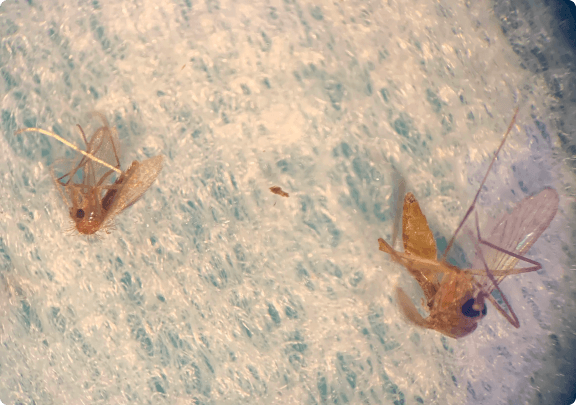
All CLIMOS activities were documented and can be viewed on the project website. The data per country, amazing photos of the trapping sites and laboratory work, and much more besides, are just a few examples of what can be found there. Take a look at it in the CLIMOS website
Turning science into practical tools
A key outcome of the project is the CLIMOS Early Warning System (EWS), which integrates field observations, environmental information and machine-learning approaches to support the assessment of sand fly-related risks.
Designed to provide weekly and monthly risk information, the system represents an important step towards translating scientific data into practical tools for surveillance, preparedness and evidence-informed decision-making.
If you are interested in exploring the EWS platform, explore it in this link. A short video tutorial on how to use the platform is also available

Explore the CLIMOS Toolkit
At the heart of our dissemination efforts lies the CLIMOS Toolkit. It brings together all our open-access materials, which are designed to support policies, veterinary practices, and local communities. The toolkit includes:
- Policy Briefs: Three comprehensive briefs addressing surveillance frameworks, multi-dimensional risk assessment, and cost-effective prevention strategies.
- Educational and training material: Practical videos, flyers and guides covering canine leishmaniasis diagnosis, sand fly identification, field monitoring and laboratory procedures, and much more.
- Protection and sand fly identification guidelines: Available in more than 10 languages
- Four foresight scenario descriptions with related infographics and targeted policy recommendations.
- Open-Access Image Gallery: high-quality illustrations of sand flies, parasites, and host vectors available for public download.
- Open source publications: Browse 40+ open-access, peer-reviewed studies tracking vector dynamics and Leishmania transmission.
- Opinion Articles: 18 articles written by our project members exploring different subjects such as disease prevention, and health policy.
- CLIMOS Talks podcast: Informal conversations to know in a simplified way, what CLIMOS is all about.
- Webinars: From introductory insights about sand flies to how policy recommendations and data management shape the future of public health.

Looking beyond CLIMOS
Although the project has reached its formal conclusion, the challenges we have addressed will remain relevant for years to come.
Climate change, environmental transformation and the changing distribution of disease vectors reinforce the need for continued monitoring, interdisciplinary research and international cooperation.
We hope that the scientific knowledge, harmonised datasets, collaborative networks and practical tools developed through CLIMOS will provide a valuable foundation for future research, surveillance and public health preparedness across Europe.
Most importantly, CLIMOS has demonstrated what can be achieved when researchers, healthcare and veterinary professionals, policymakers, local communities and other stakeholders work together towards a shared goal.
To everyone who has been part of this journey: thank you for your commitment, collaboration and enthusiasm.
The CLIMOS project may be officially over, but its scientific contributions, partnerships and shared vision will continue to inspire future work.
We look forward to building on what we have achieved together.
The CLIMOS Team