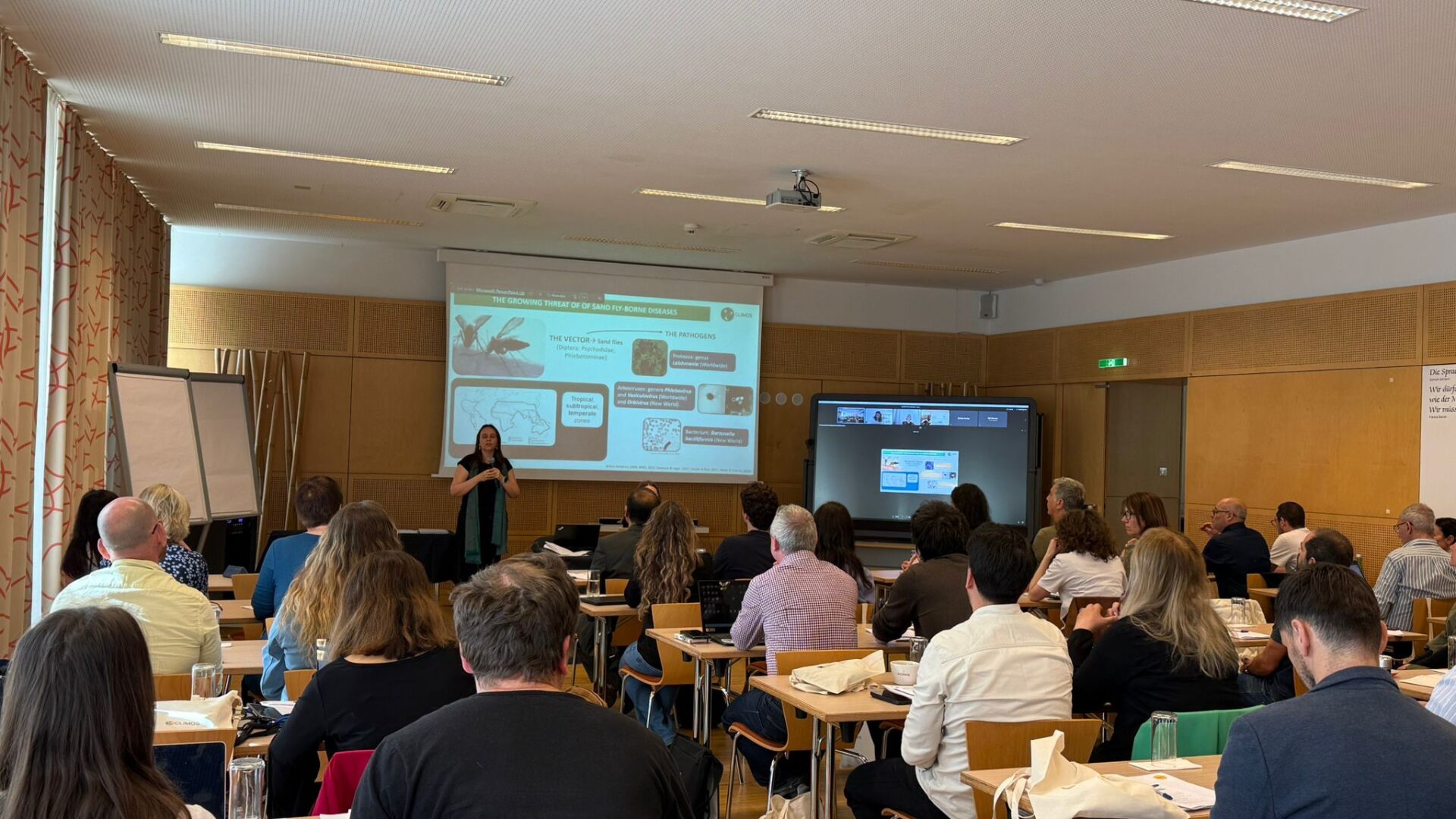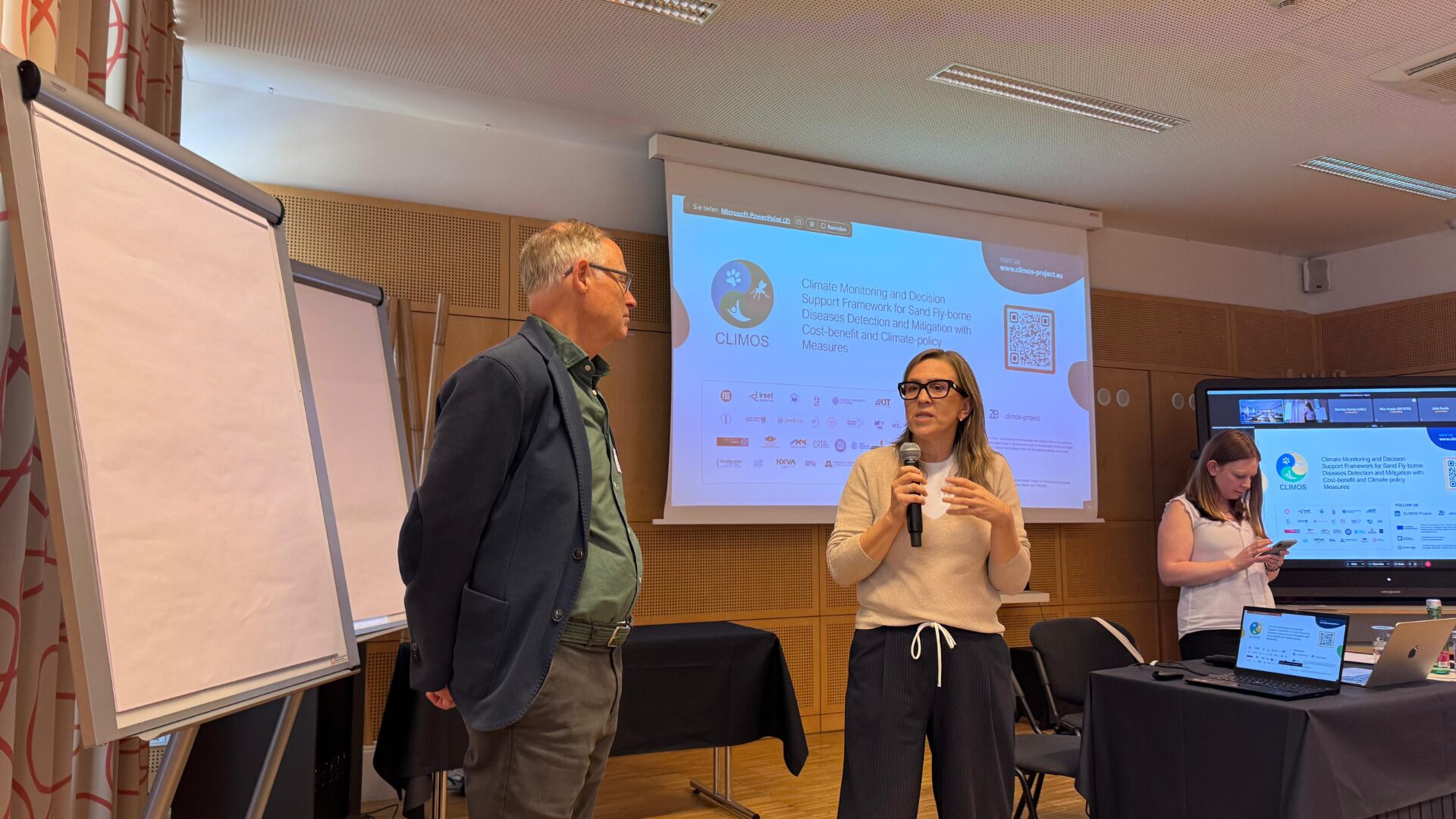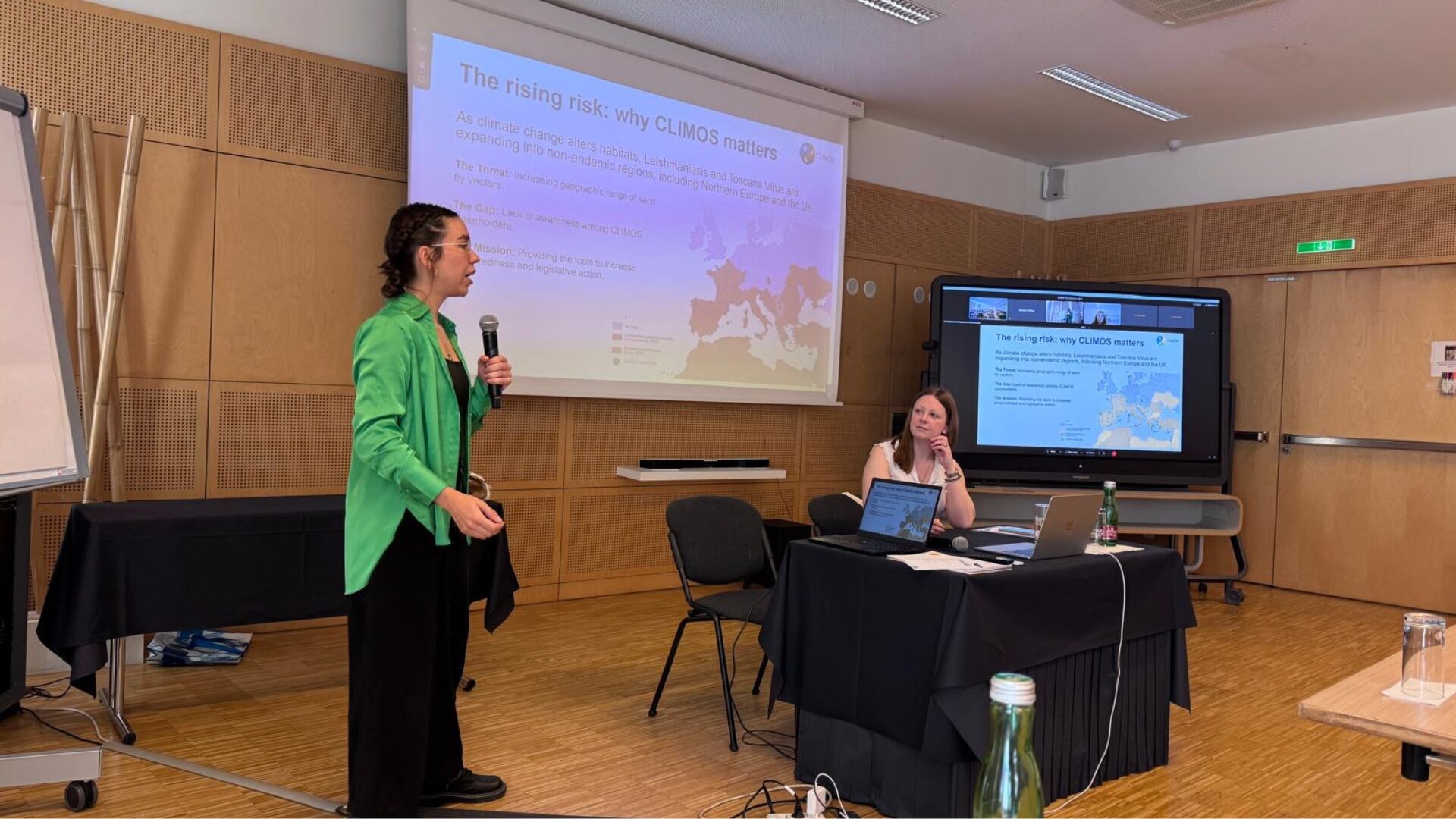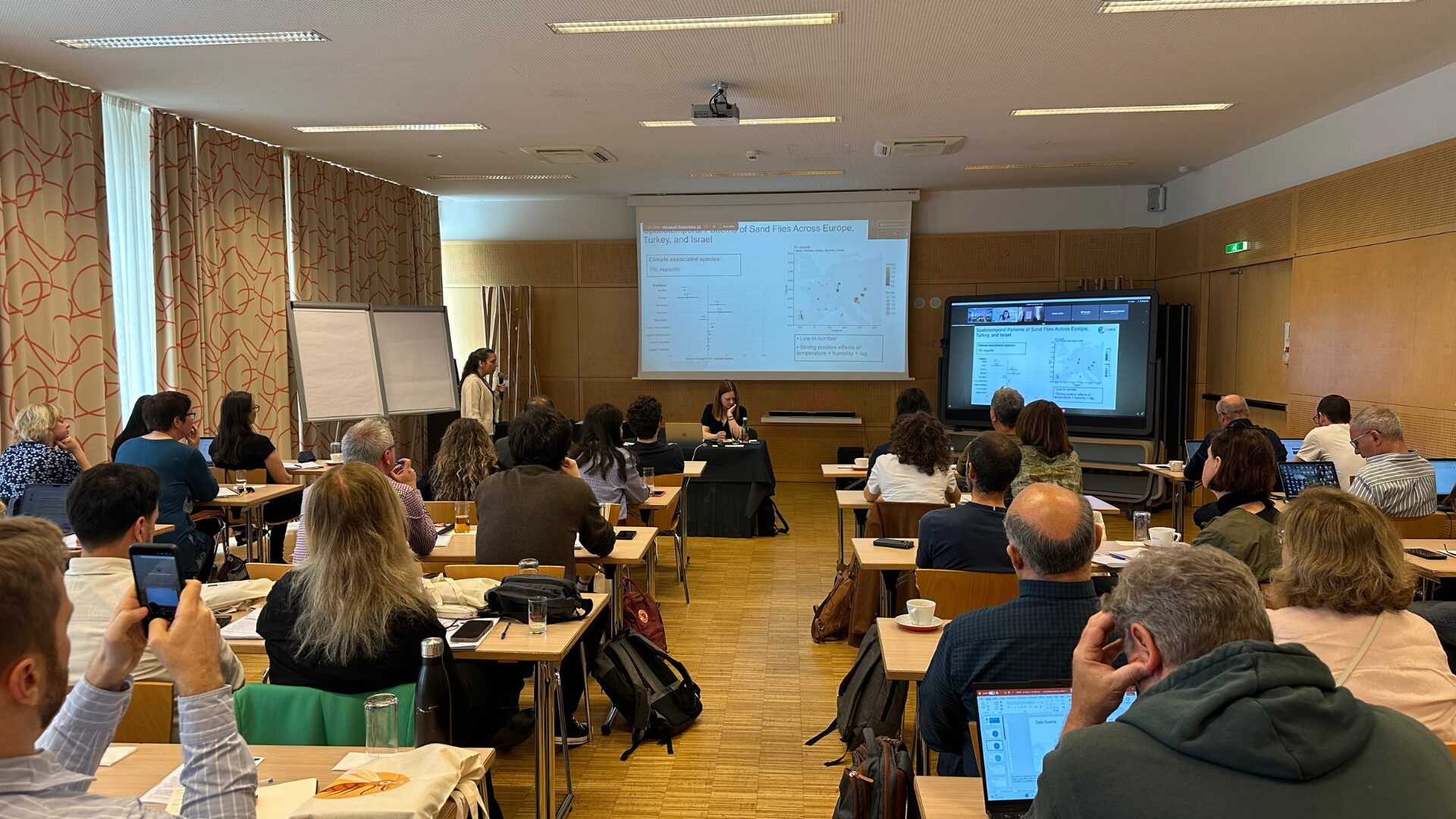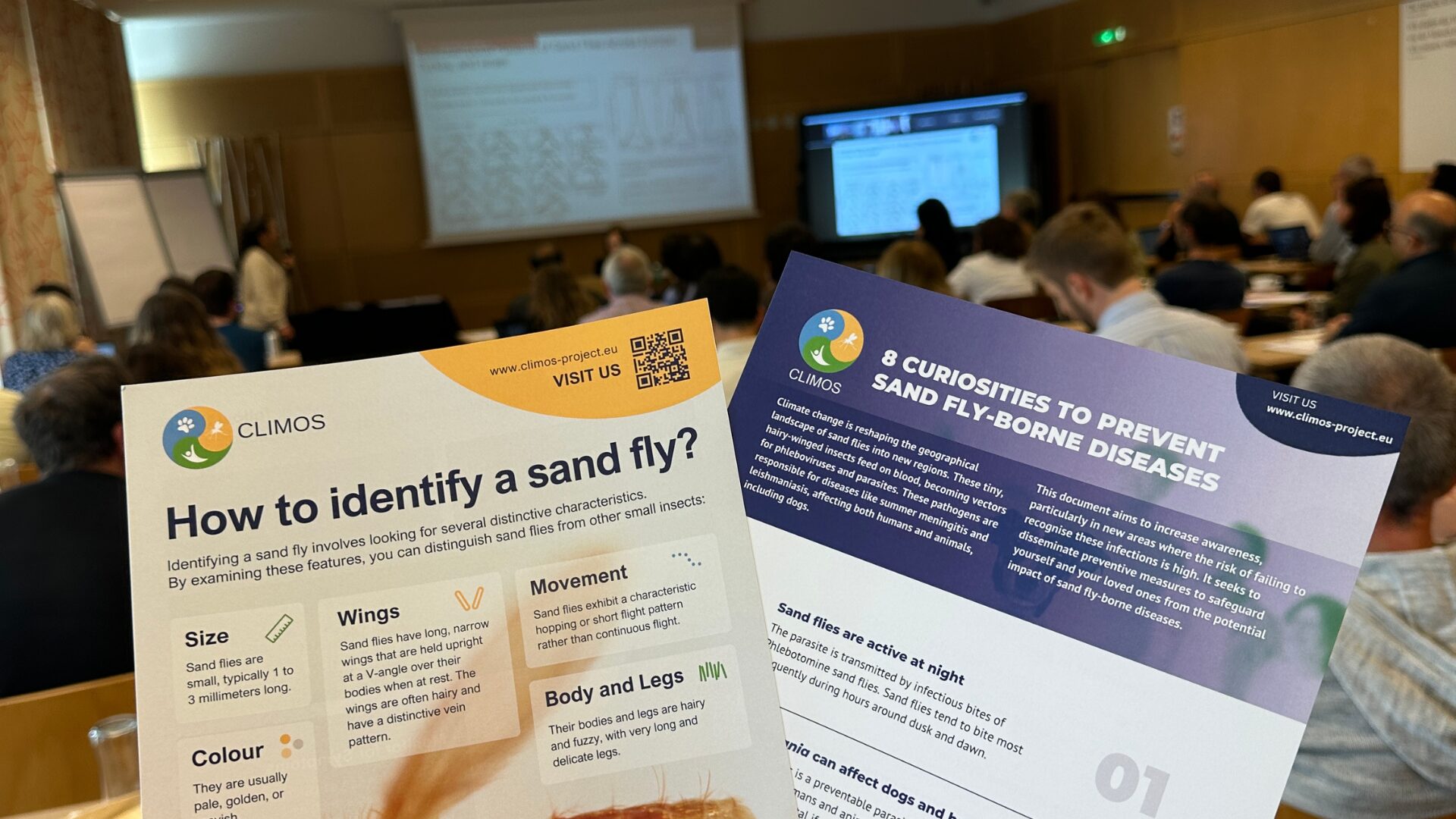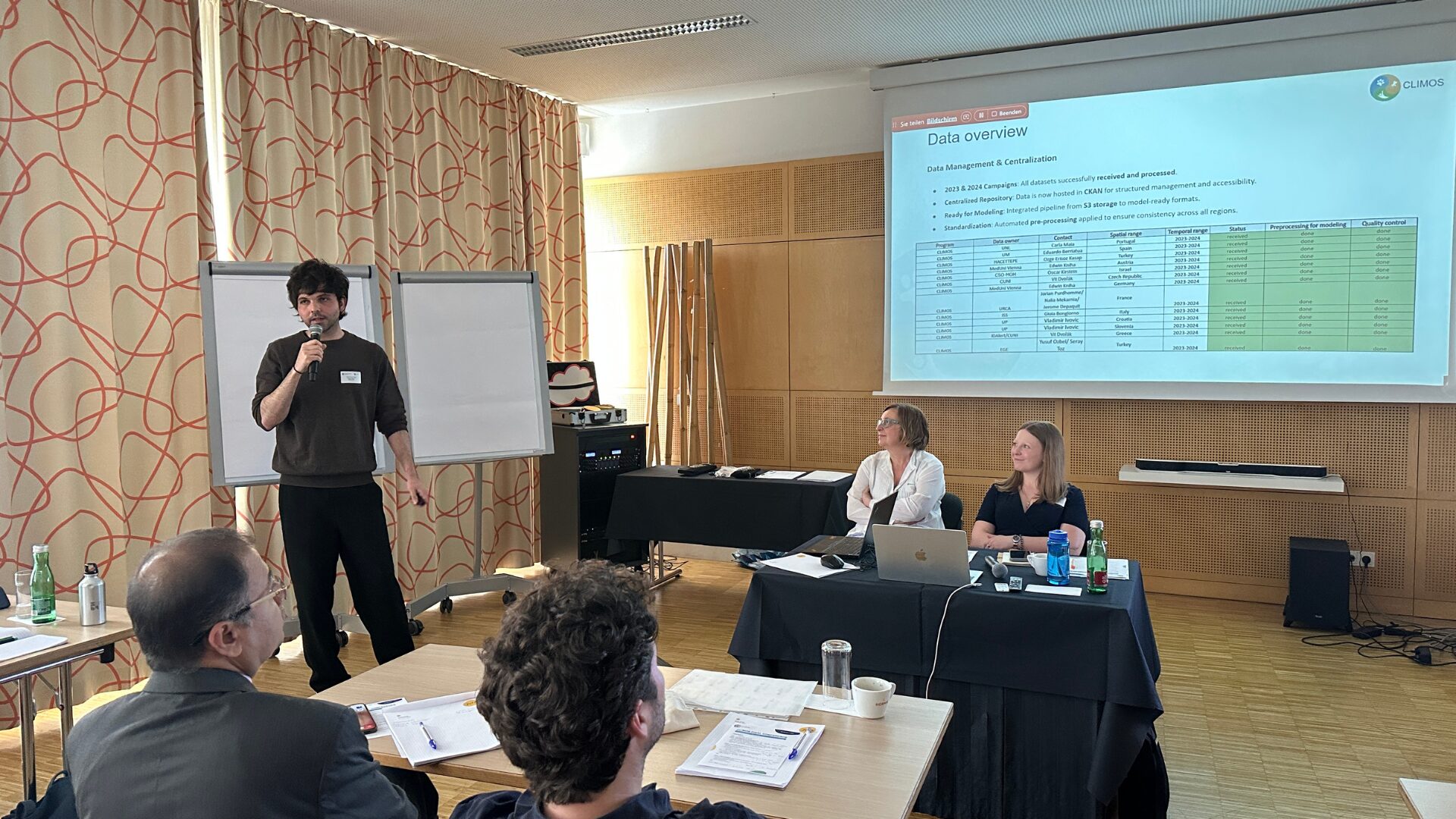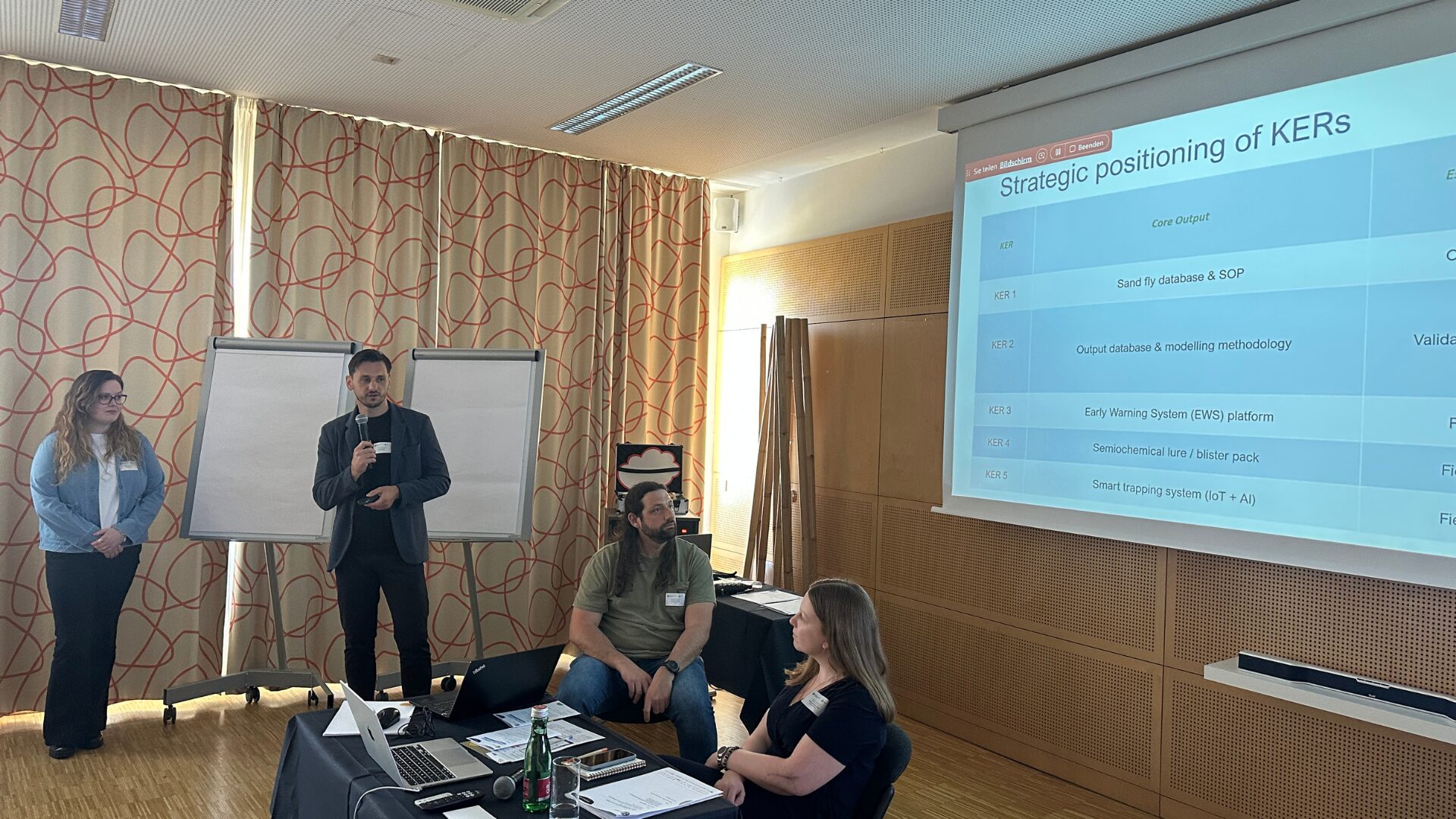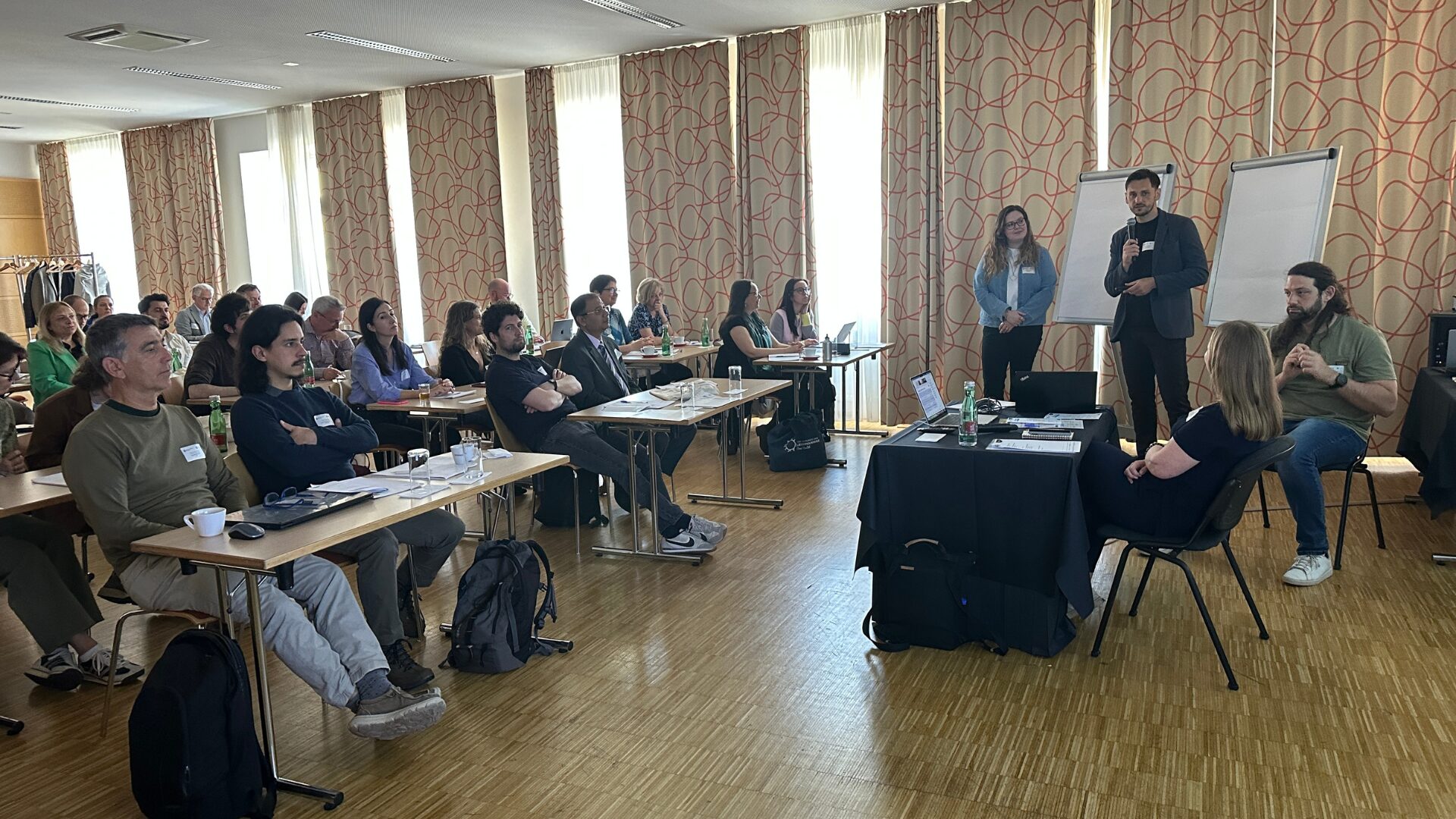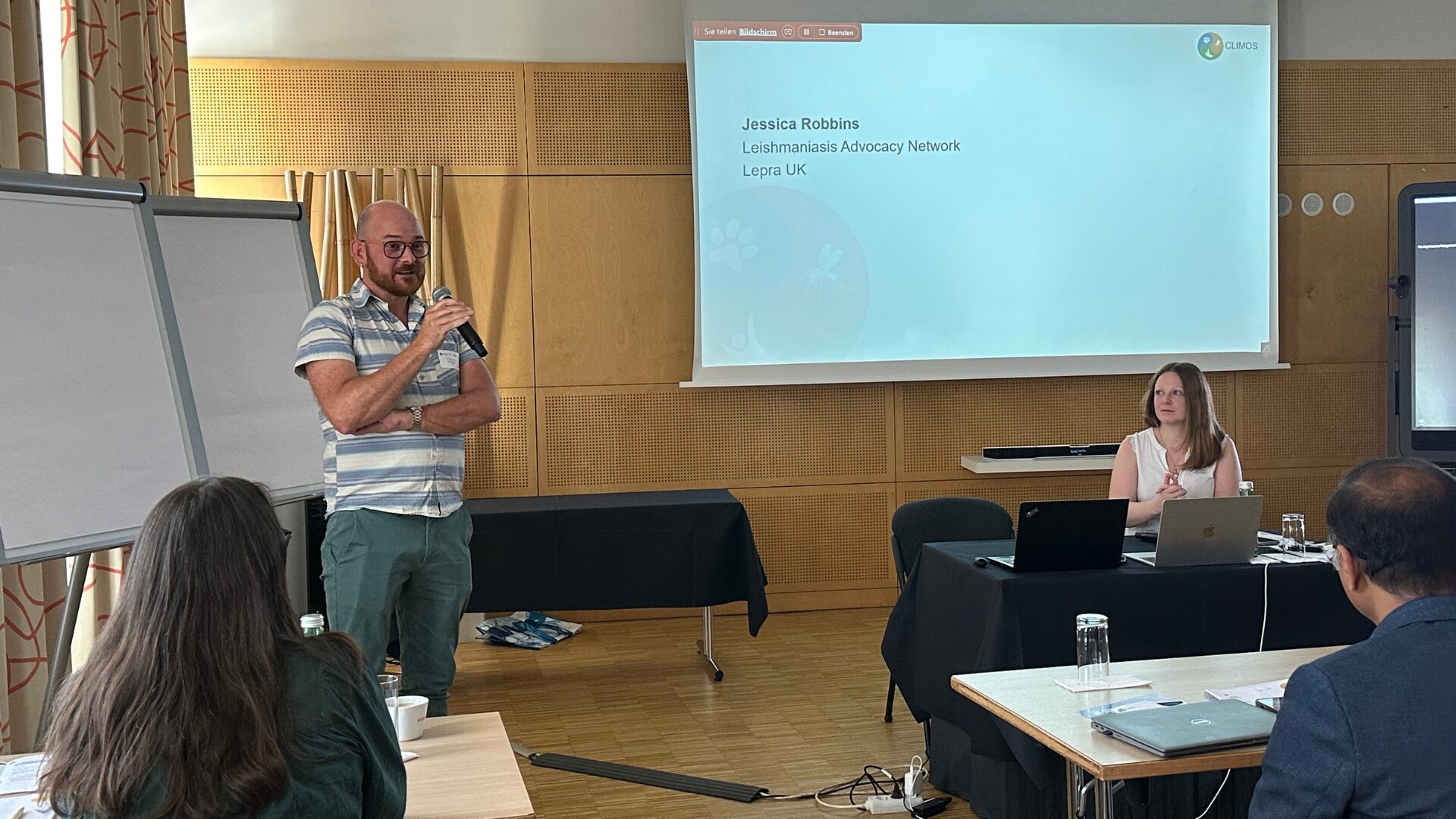
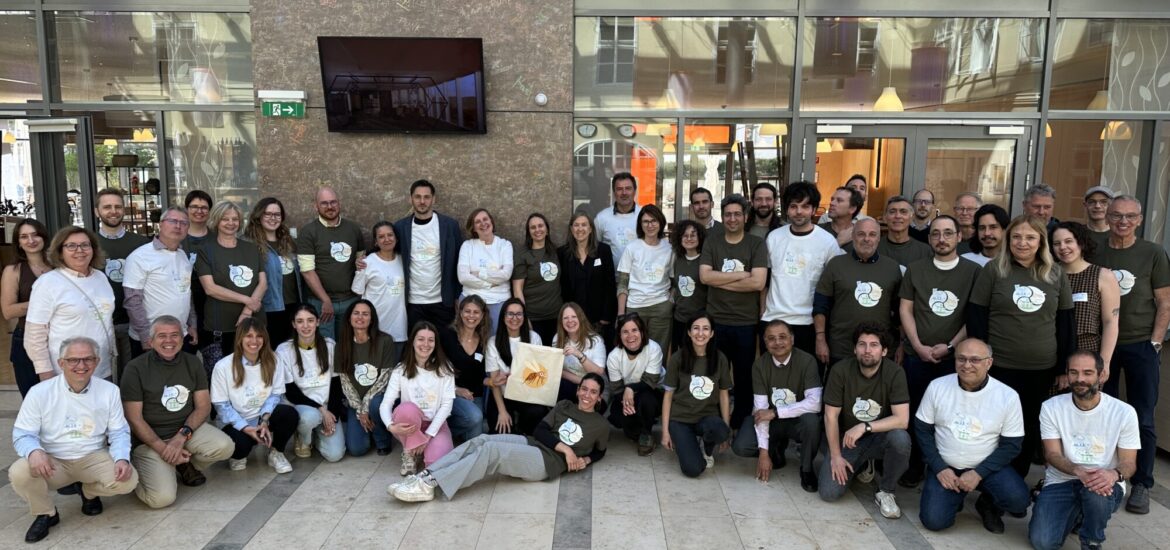
VIENNA, Austria (April 29, 2026) Partners of the EU-funded CLIMOS project gathered in Vienna to present the final results that address the growing threat of climate-induced expansion of sand fly populations to northern countries of Europe and the diseases they transmit, such as leishmaniasis and Toscana virus, the consortium highlighted critical field data, an innovative Early Warning System (EWS), and the official launch of the public CLIMOS Toolkit.
Field Trapping Reveals Sand Fly Realities Across Europe
A cornerstone of the CLIMOS project has been its exhaustive field trapping activities. Spanning 11 countries and 96 localized field tracking sites, the consortium generated a massive spatiotemporal dataset based on 8,279 trap-nights of observations using standard CDC light traps. To map the environmental constraints, the project deployed 174 microclimatic data loggers and 23 Ubibot devices directly at trapping sites to record precise temperature and soil moisture variations affecting the sand flies.
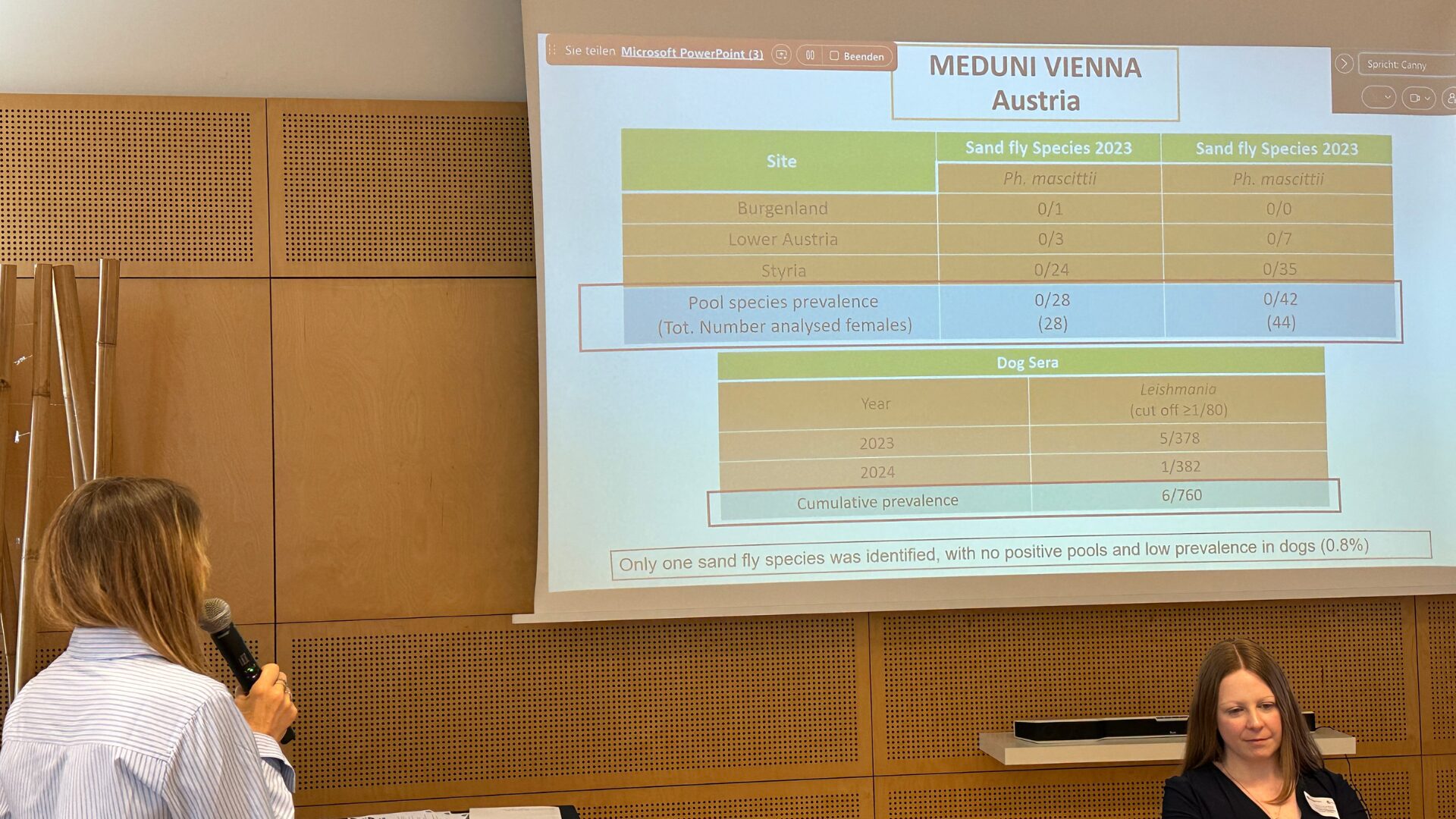
The field collections confirmed both expected and emerging vectors in temperate zones, Especially, in trapping sites within Austria (including Lower Austria, Burgenland, and Styria).
Groundbreaking Early Warning System (EWS) Predicts Extreme Surges
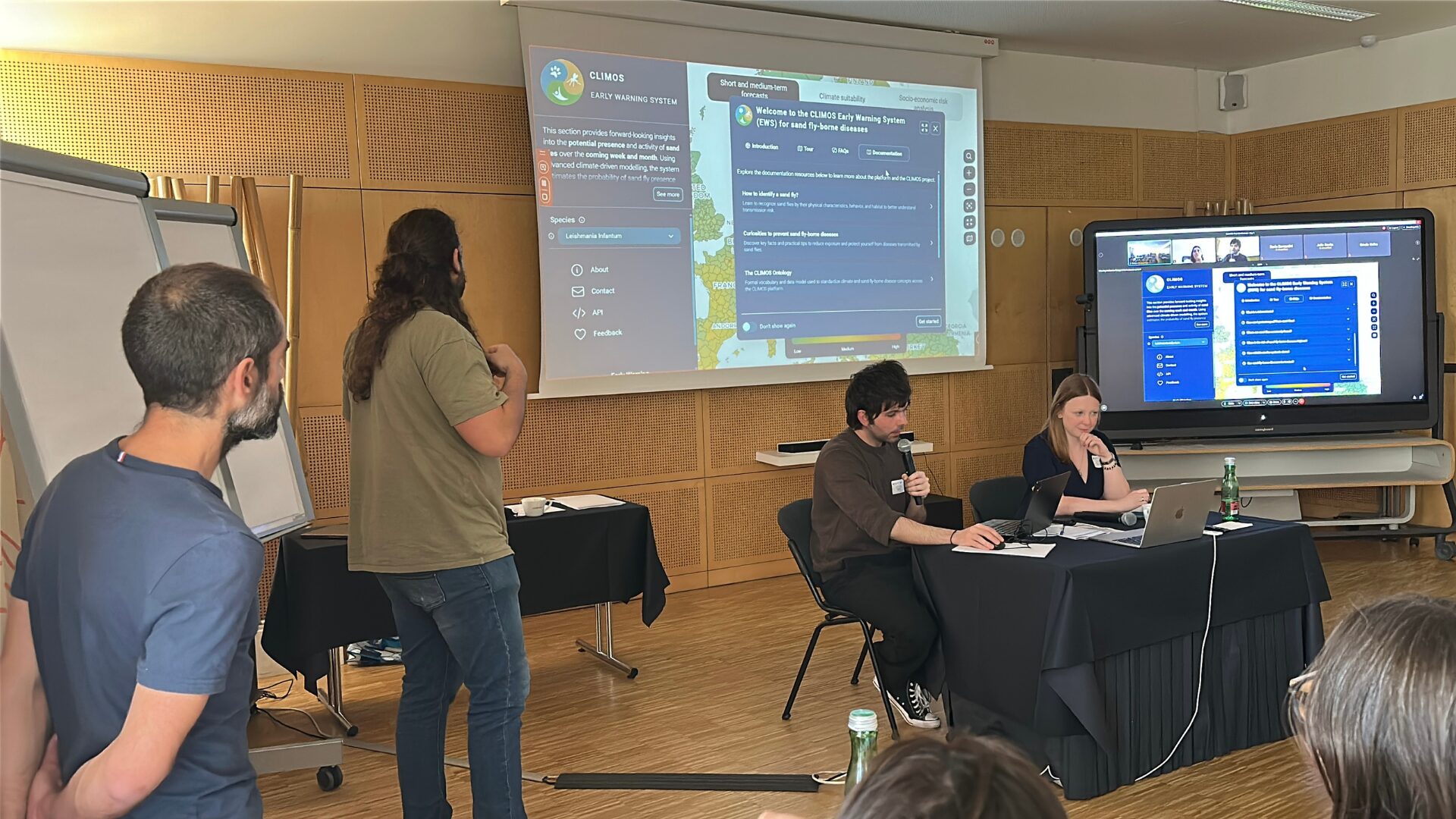
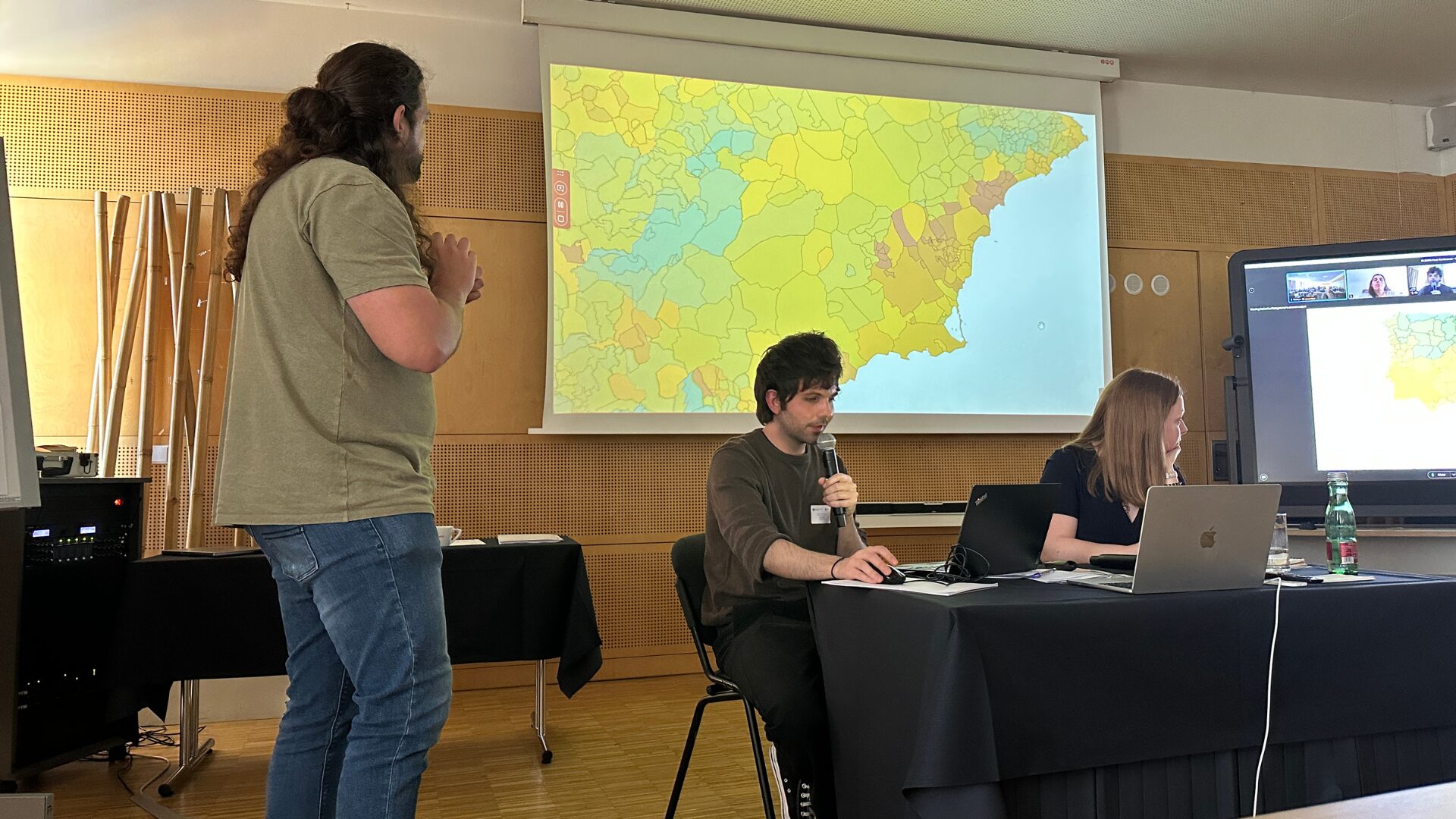
To turn dense field insights into actionable health policies, CLIMOS partners presented an Early Warning System powered by machine learning algorithms to predict and prevent sand flies occurrences. We provide local authorities with reliable, week- and month-ahead probabilistic risk maps for sand fly season. Operating at a municipality scale, the system predicts not just when the season will start and end, but how it will behave. For ease of use, these complex probabilities are simplified into clear low, medium, and high-risk categories. It provides local authorities with reliable week-ahead and month-ahead probabilistic risk maps. By explicitly evaluating extreme anomalies in temperature, relative humidity, and soil moisture, it flags real-time threats before surges manifest.
The CLIMOS Toolkit
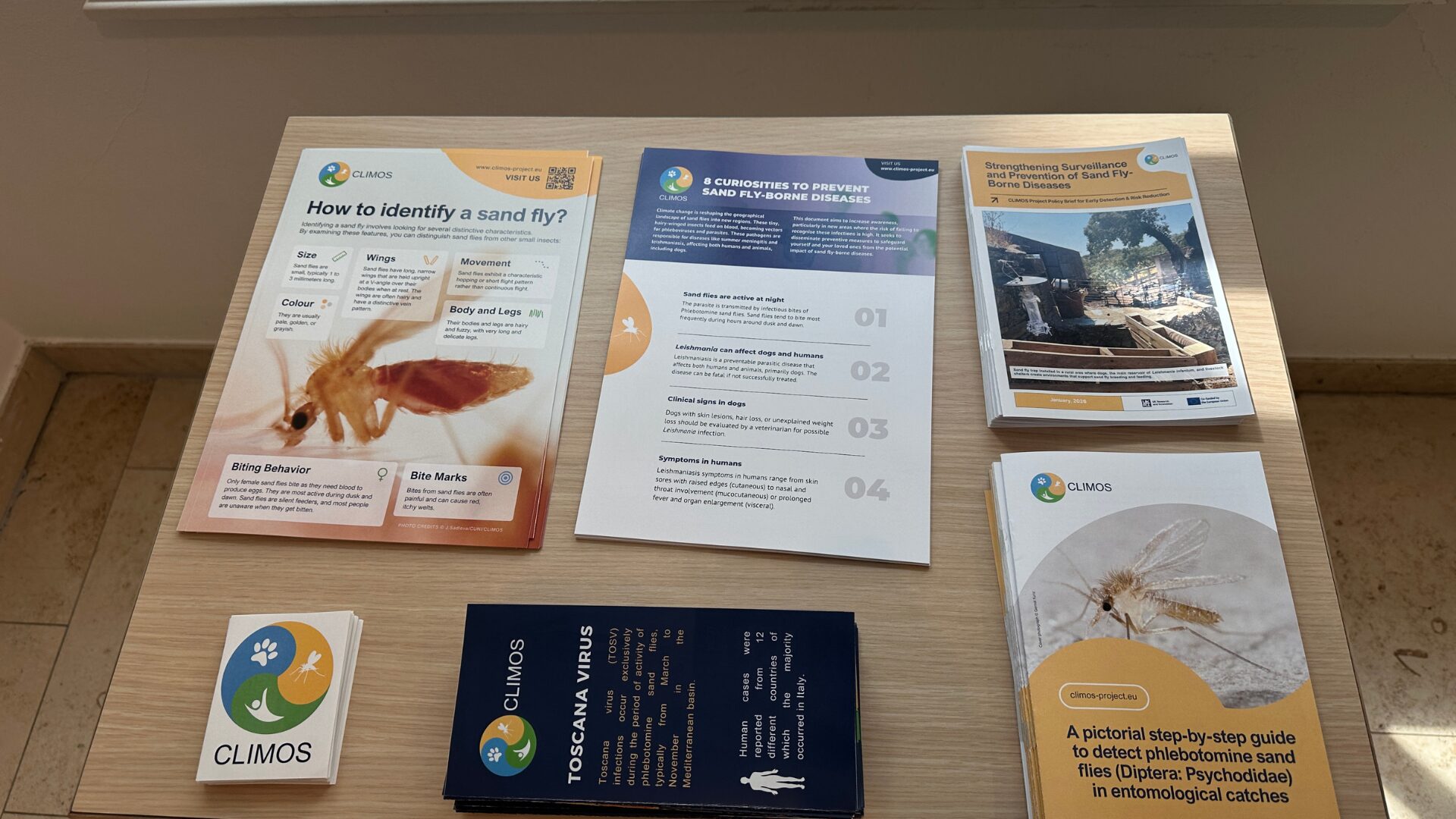
CLIMOS Toolkit is a centralised public repository designed to bridge the gap between scientific insight and practical application. The Toolkit provides seamless public access to all major project results, including:
- Policy Briefs: Standardized guidelines aimed at helping regional healthcare bodies allocate medical resources based on shifting climatic vector maps.
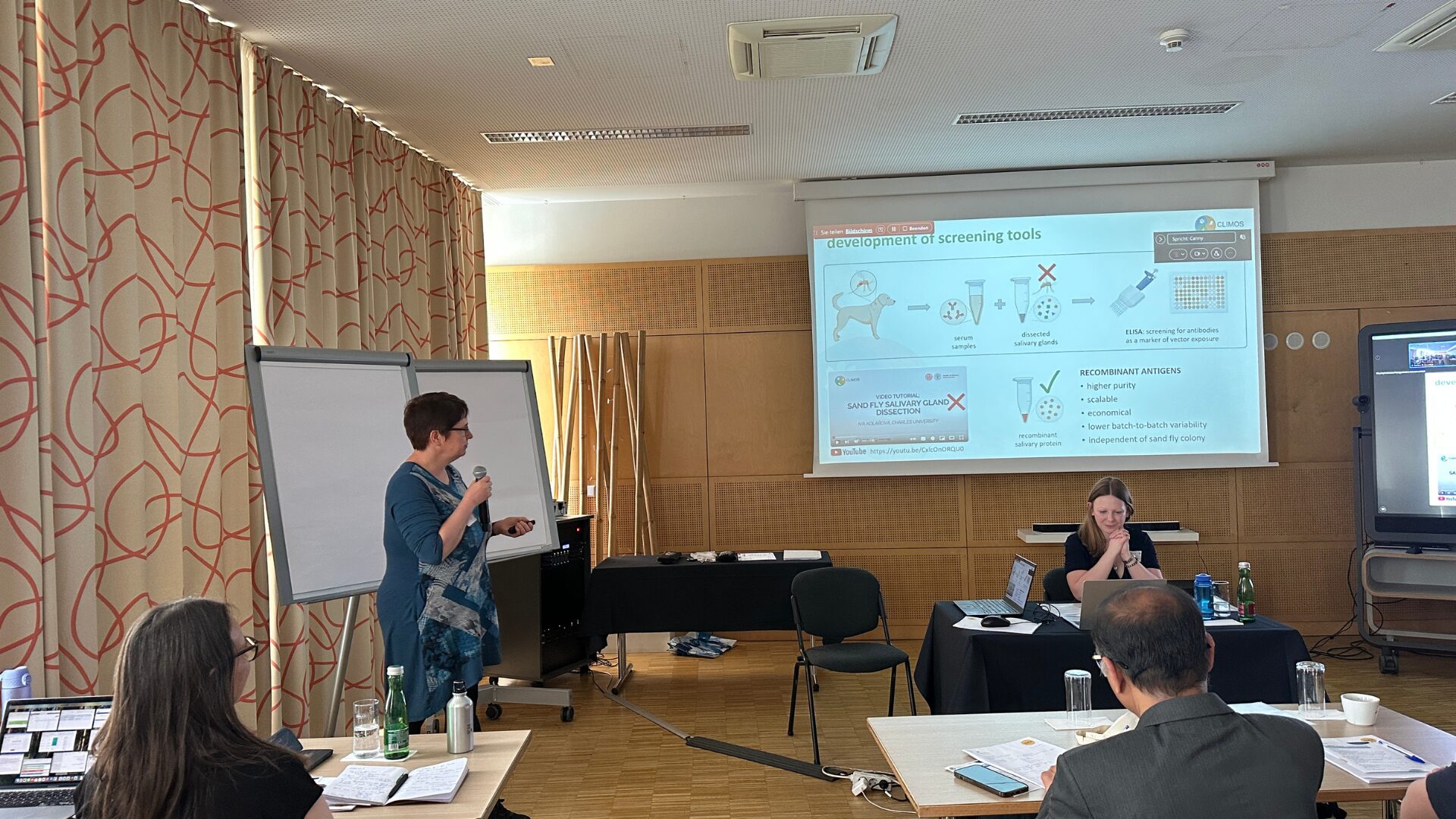
- Training Materials: Hands-on video tutorials and standard operating procedures, including precise curriculum training materials for sand fly salivary gland dissection and optimized protocols for recombinant ELISA screening tools.
- Scientific and Educational Outreach: Access to webinars, peer-reviewed open-access publications, and postgraduate research output.
- Trapping sites: Trapping efforts and results in 11 countries.
With sand fly ranges moving continuously northward, the outcomes unveiled at the Vienna Final Conference position the CLIMOS project as a critical blueprint for climate-sensitive disease vector monitoring across the European domain.